Imam Musa ibn Ja‘far al-Kazim (ع), the seventh Imam of Ahl al-Bayt, was born in 128 AH in Abwa, between Makkah and Madinah. He was the son of Imam Ja‘far al-Sadiq (ع) and inherited from him vast knowledge, deep piety, and unwavering devotion to Allah. From an early age, Imam Musa (ع) was known for his calm nature, wisdom, and exceptional self-control, which earned him the title “al-Kazim”, meaning one who restrains anger.
After the martyrdom of his father in 148 AH, Imam Musa al-Kazim (ع) assumed the Imamate during the reign of the Abbasid caliphs, particularly al-Mahdi, al-Hadi, and Harun al-Rashid. This was a time of severe oppression against the Ahl al-Bayt. Harun al-Rashid viewed the Imam (ع) as a threat due to his moral authority and the love people had for him. Despite this, Imam al-Kazim (ع) remained distant from political rebellion and focused on spiritual guidance, education, and caring for the poor.
Imam al-Kazim (ع) was renowned for his generosity and secret charity. At night, he would carry sacks of food to the needy of Madinah, covering his face so as not to be recognized. Only after his arrest did the poor realize that their silent benefactor was the Imam himself. His worship was intense and sincere; he spent long hours in prayer and prostration, even inside prison cells.
Harun al-Rashid ordered the Imam’s repeated imprisonment, transferring him between Baghdad and Basra. In the prisons of Isa ibn Ja‘far and later al-Fadl ibn al-Rabi‘, the Imam’s character transformed even the guards and jailers. Many became his admirers after witnessing his patience, humility, and constant remembrance of Allah. One jailer later testified that the Imam (ع) would spend nights in prayer and days in fasting, never complaining about his suffering.
Despite extreme hardship, Imam Musa al-Kazim (ع) continued to guide his followers through secret communication. He emphasized patience, trust in Allah, and moral integrity. He famously said:
“Be patient in the face of injustice, for patience is the key to relief.”
In 183 AH, Imam Musa al-Kazim (ع) was poisoned on the orders of Harun al-Rashid while imprisoned in Baghdad. His body was placed publicly on a bridge to deny his martyrdom, but the truth soon became clear. He was buried in Quraysh Cemetery, now known as Kazimayn, which remains a place of deep reverence.
Imam Musa al-Kazim (ع) left behind a powerful legacy of patience, resistance through faith, and moral strength. His life teaches that true victory lies not in power, but in steadfastness, worship, and trust in Allah.
اس تحریر میں حضرت فاطمۃ الزہرا (سلام اللہ علیہا) کو محض روایتی خاندانی نسبتوں کے بجائے ایک خودمختار اخلاقی، روحانی اور مثالی شخصیت کے طور پر متعارف کرایا گیا ہے۔ آپؑ کی پرورش بنو ہاشم کے معزز ترین نبوی گھرانے میں ہوئی، جہاں آپؑ نے آغازِ اسلام کی تند و تیز آزمائشوں اور حق کی جدوجہد کو نہایت قریب سے دیکھا۔ مضمون میں حدیثِ نبوی ”فاطمہ میرے وجود کا حصہ ہیں“ اور قرآنی ”آیتِ تطہیر“ کے شواہد سے بارگاہِ الٰہی و رسالت میں آپؑ کے یکتا تقدس اور اہلِ بیتؑ کی عصمت کو واضح کیا گیا ہے۔ مصنف اس امر پر زور دیتا ہے کہ سیرت کا مطالعہ محض سطحی عقیدت کے بجائے علمی تحقیق، دیانت اور متوازن تاریخی شعور کے ساتھ ہونا چاہیے۔ اس کا اصل مقصد آپؑ کے صبر، ایثار، کردار کی پاکیزگی اور حق کے دفاع میں غیر متزلزل استقامت سے روزمرہ زندگی کے لیے عملی رہنما اصول اخذ کرنا ہے۔
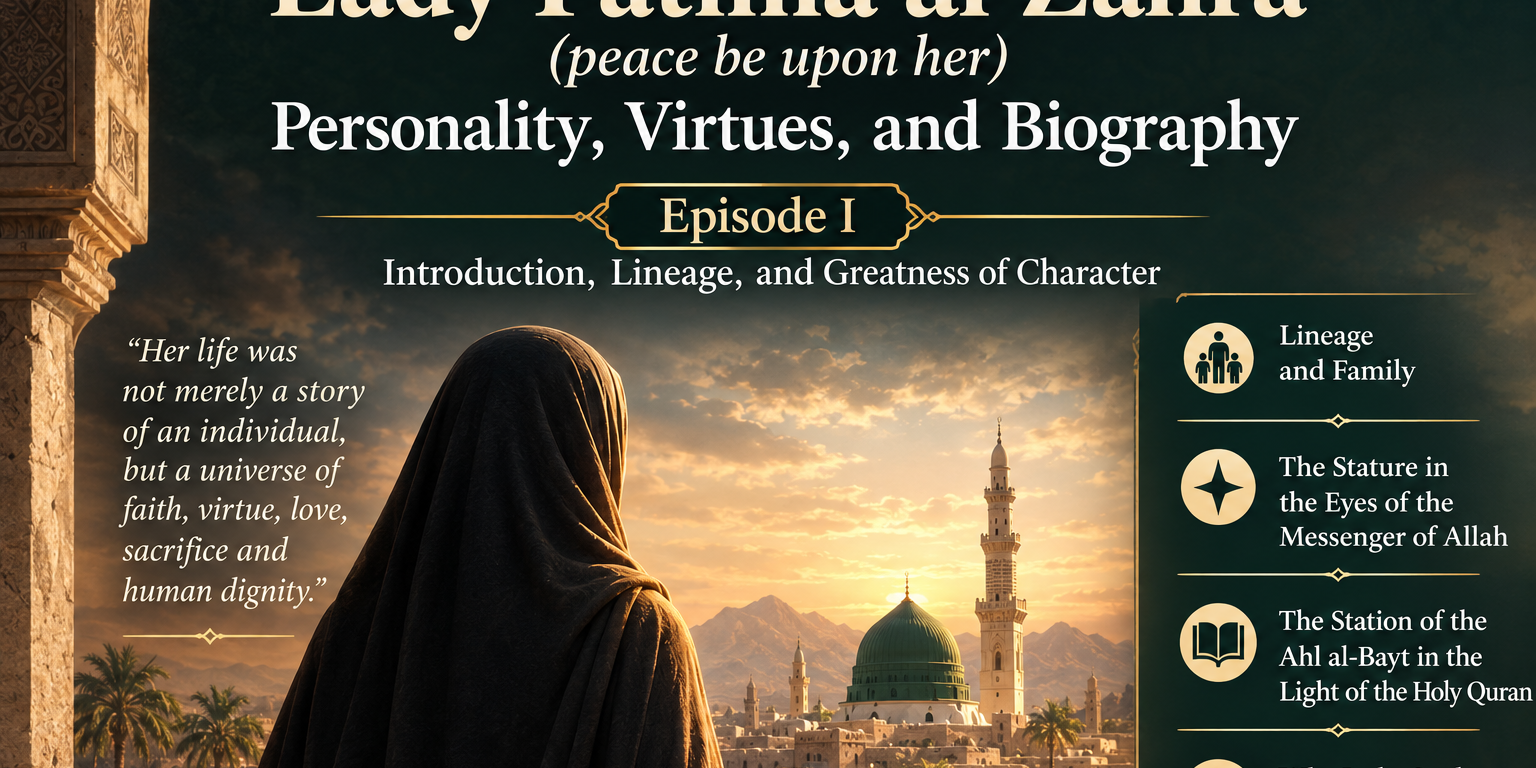
This introductory episode presents Lady Fatima al-Zahra (peace be upon her) as an autonomous moral, spiritual, and exemplary leader rather than merely examining her through familial ties. Born into the noble Banu Hashim to the Holy Prophet and Lady Khadijah, her character was forged amidst the early trials of Islamic history and steadfast devotion to divine truth. The text highlights her inviolable sanctity through the authentic hadith stating that whatever distresses her distresses the Prophet, alongside the Quranic authority of the Verse of Purification (*Ayat al-Tathir*). Ultimately, the author emphasizes that studying her life should transcend sentimental reverence, providing rigorous, evidence-based principles to guide moral conduct, social responsibility, and steadfastness in upholding the truth.
اس تحریر میں واضح کیا گیا ہے کہ متقدمین علمائے اہلِ سنت اہلِ بیتِ اطہارؑ کی عظمت اور ان کی محبت کو قبولیتِ اعمال کی لازمی شرط تسلیم کرتے تھے۔ مصنف نے موجودہ دور کے مادہ پرستانہ رویوں اور حق کے مقابلے میں عددی اکثریت کو معیار سمجھنے کے رجحان پر گہری تنقید کی ہے۔ ساتھ ہی یہ ثابت کیا ہے کہ رسولِ اکرمؐ کی جانب سے جنابِ سیدہ فاطمۃ الزہراؑ کی بے مثال تعظیم اور مولا علیؑ کی جانشینی کا اعلان کسی ذاتی یا خاندانی عصبیت کی بنیاد پر نہیں بلکہ سراسر وحیِ الٰہی کا تقاضا تھا۔ آخر میں نبیِ کریمؐ کی رحلت کے بعد اہلِ بیتؑ کے ساتھ برتے جانے والے رویے، حق سے روگردانی اور جنابِ سیدہؑ پر ڈھائے جانے والے مصائب کا رقت آمیز تذکرہ موجود ہے۔
The passage emphasizes that classical Islamic scholars deeply revered the
Ah-lal-Bayt, affirming that devotion to them is vital to genuine faith. It critiques modern society for prioritizing political majority, wealth, and worldly status over divine guidance and Quranic principles. Countering claims that the Prophet’s praise for his family was mere personal favoritism, the text asserts that his honoring of Lady Fatima al-Zahra and appointing Imam Ali was entirely governed by divine revelation. Despite her unmatched celestial honor and reverence from both the Prophet and angels, her legacy faced severe trials and political marginalization following the Prophet’s demise.
یہ تحریر تاریخی اور مذہبی مباحث میں اہلِ بیت (علیہم السلام) اور دیگر شخصیات کے فضائل کے لیے اپنائے جانے والے دوہرے معیارات پر سوال اٹھاتی ہے۔ اس میں نشاندہی کی گئی ہے کہ جہاں اہلِ بیتؑ کے صریح قرآنی و نبوی فضائل کے سامنے کڑی تاویلیں اور شکوک تراشے جاتے ہیں، وہیں دیگر شخصیات کے حق میں ضعیف اور غیر مستند روایات کو بھی آسانی سے قبول کر لیا جاتا ہے۔ مصنف کا موقف ہے کہ حق و باطل اور قبولِ روایت کی کسوٹی ہر ایک کے لیے غیر جانبدار اور یکساں ہونی چاہیے۔ قرآن کا بنیادی حکم عدل و انصاف ہے، جس کا تقاضا یہ ہے کہ انسان اپنی ذاتی پسند کو سچائی کے تابع کرے، نہ کہ سچائی کو اپنی پسند کے مطابق ڈھالے۔
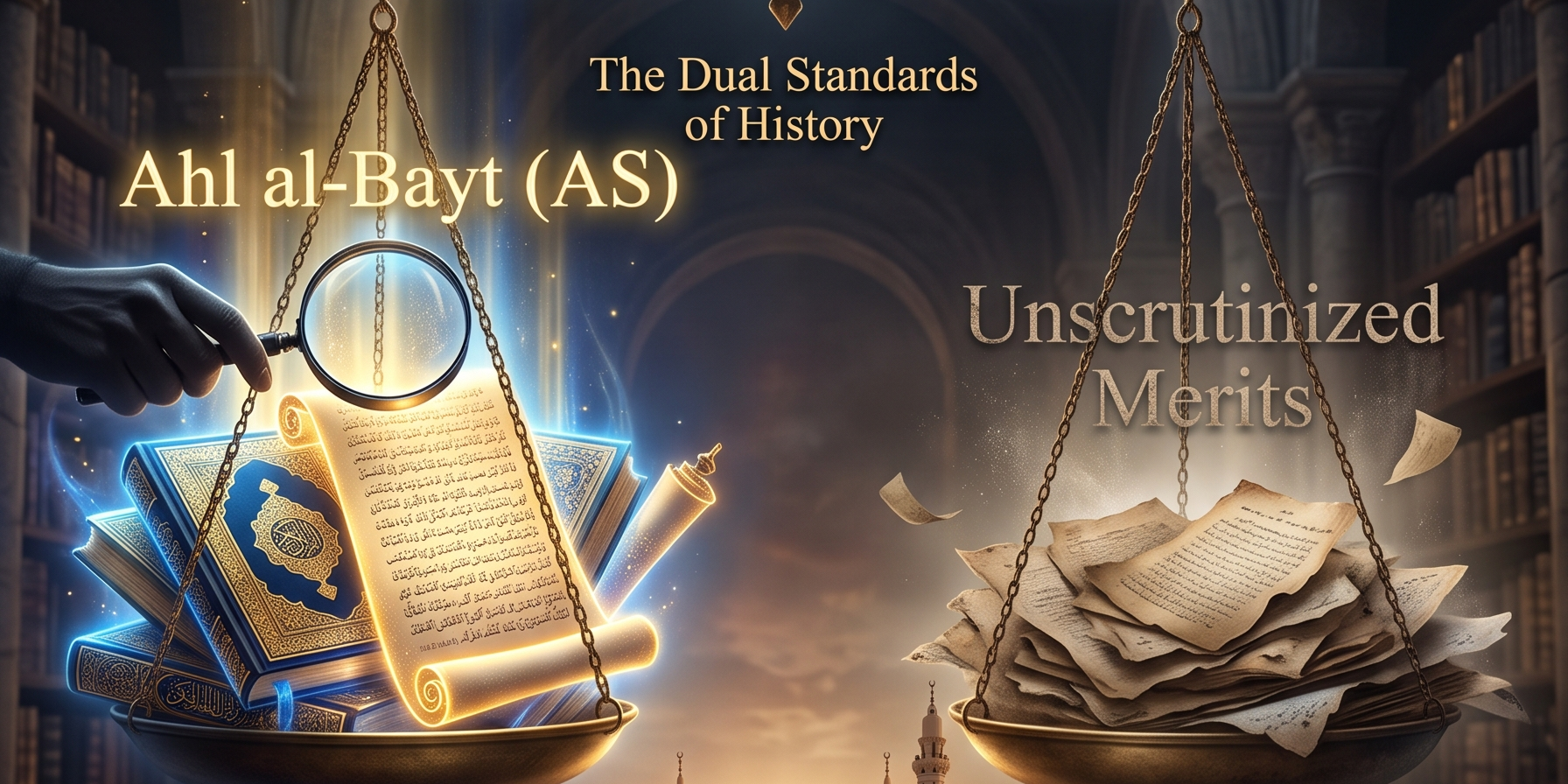
The text critiques the intellectual double standards applied when evaluating the virtues of the Ahl al-Bayt (AS) versus the merits of other historical figures. It highlights how explicit Qur'anic verses and authentic traditions regarding the Prophet’s family are often subjected to restrictive reinterpretations and intense skepticism, while unverified or weak narrations for others are readily accommodated. Demanding consistent principles of verification, the author emphasizes that personal bias must never dictate historical and religious truth. Ultimately, genuine justice and intellectual integrity require that evidence be evaluated through a single, fair standard for all.
موبائل فون دورِ حاضر کا ایک انقلابی آلہ ہے جس نے فاصلوں کو سمیٹ کر معلومات اور عالمی رابطوں کو بے پناہ آسان بنا دیا ہے۔ تاہم، اس کے بے قابو اور عادی بن کر استعمال کرنے سے گہرے انسانی رشتے، ذہنی یکسوئی اور قیمتی وقت شدید متاثر ہوئے ہیں۔ ٹیکنالوجی بذاتِ خود اچھی یا بری نہیں ہوتی، بلکہ اس کی اچھائی یا برائی کا انحصار انسان کے اپنے طرزِ عمل اور نیت پر ہے۔ ماضی کا دور اگرچہ دشواریوں سے خالی نہ تھا، لیکن موجودہ دور کی بے مقصد اسکرولنگ روح اور فکر کے لیے اس سے بھی بڑا خطرہ ہے۔ اصل دانشمندی یہ ہے کہ موبائل کو اپنی ضروریات کا خادم بنایا جائے، نہ کہ اپنی زندگی کا حاکم۔
The mobile phone is a revolutionary tool that has connected the world and democratized access to information, yet its excessive use has eroded deep personal relationships, focus, and mental well-being. Rather than being inherently good or evil, technology reflects human intent; it can serve as a powerful engine for knowledge and growth, or a source of distraction and intellectual clutter. While the pre-digital era had genuine challenges, the modern urge to mindlessly scroll poses an equal threat to our time and presence. The ultimate challenge is balance—allowing mobile devices to serve our essential needs without permitting them to dominate our lives.
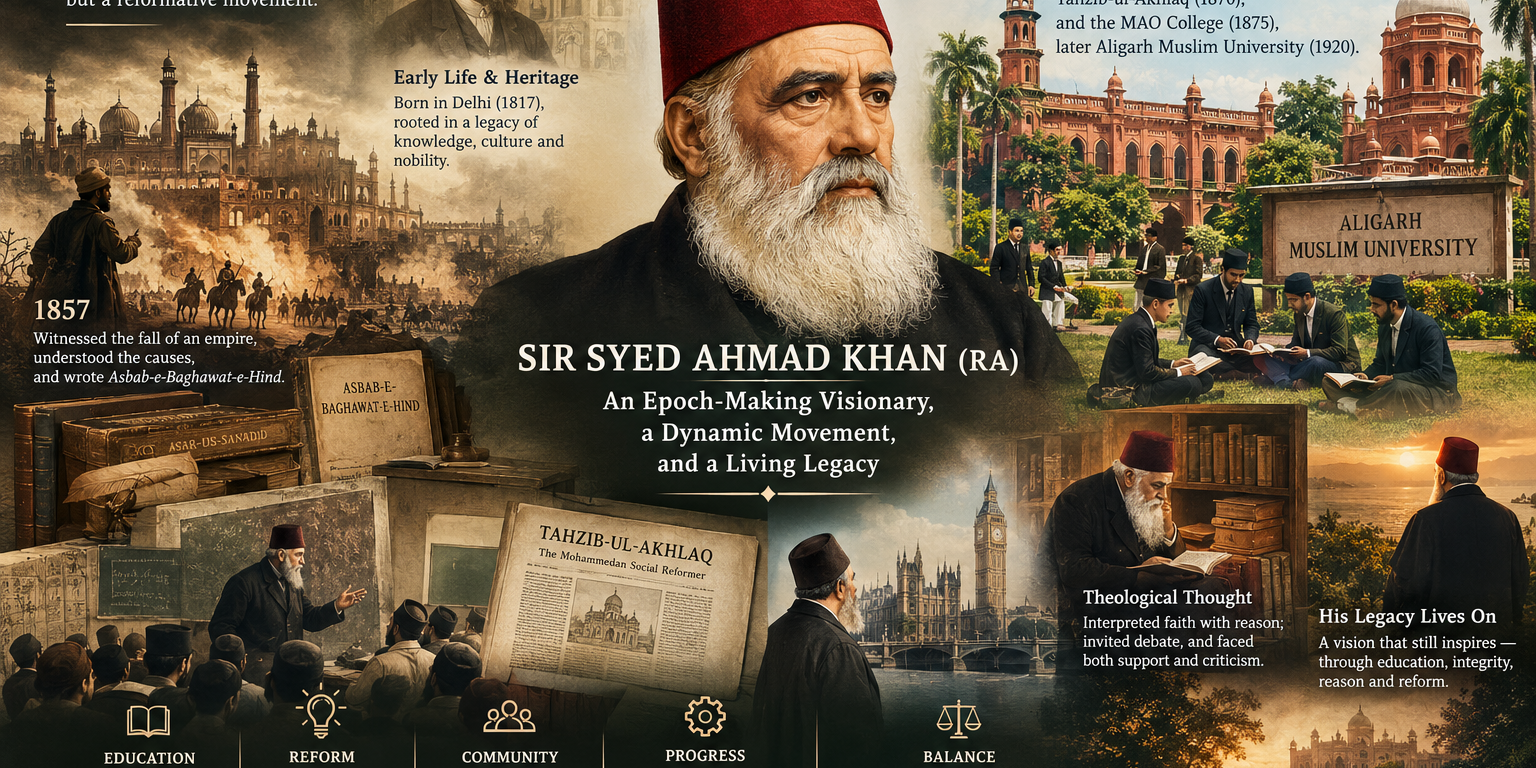
سر سید احمد خانؒ ایک عہد ساز مصلح تھے جنہوں نے 1857ء کے بعد مسلمانوں کو مایوسی سے نکال کر جدید تعلیم، فکری بیداری اور سائنسی تحقیق کا راستہ دکھایا۔ انہوں نے سائنٹفک سوسائٹی، رسالہ ”تہذیب الاخلاق“ اور ایم اے او کالج (علی گڑھ مسلم یونیورسٹی) جیسے تاریخی ادارے قائم کر کے روایتی تہذیب اور جدید علوم میں توازن پیدا کیا۔ انہوں نے شکوے شکایات اور محض ماضی کے قصوں پر انحصار کرنے کے بجائے خود اعتمادی، کردار سازی اور عملی جدوجہد کو قومی بقا کا لازمی تقاضا قرار دیا۔ اگرچہ ان کے بعض مذہبی و سیاسی افکار پر شدید علمی اختلاف رہا، مگر ان کا یہ تاریخی کارنامہ مسلم ہے کہ انہوں نے ثابت کیا کہ علم اور دلیل کے بغیر کوئی بھی قوم زوال سے نکل کر ترقی نہیں کر سکتی۔
Sir Syed Ahmad Khan (RA) was an epoch-making reformer who steered South Asian Muslims out of post-1857 despair through modern education, critical inquiry, and pragmatic institution-building. By establishing landmark platforms like the Scientific Society, the journal *Tahzib-ul-Akhlaq*, and MAO College (later Aligarh Muslim University), he harmonized cultural heritage with scientific progress. Rather than leaning on past glories or futile confrontation, he advocated for modern learning, rational discourse, and self-reliance to secure the community's future. While his theological and political stances sparked sharp contemporary debate, his lifelong commitment left an enduring legacy proving that genuine national revival is impossible without knowledge, character, and practical action.
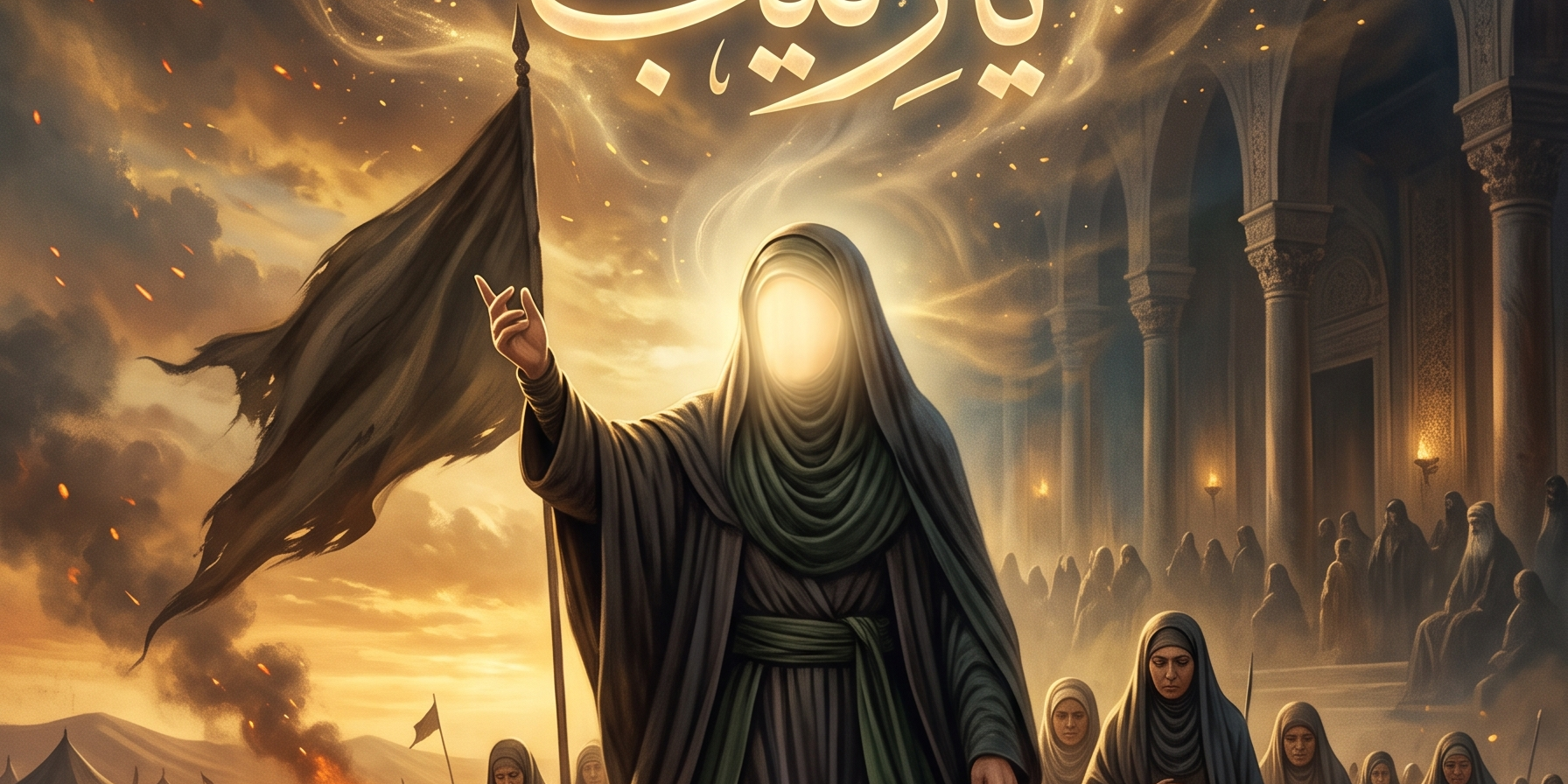
انسانی الفاظ جنابِ زینب (سلام اللہ علیہا) کی عظمت و جلالت کا احاطہ کرنے سے قاصر ہیں؛ لفظ تو محض اس چراغ کے گرد پروانوں کی طرح جمع ہو سکتے ہیں جس کی ضیا صدیوں کے بعد بھی ماند نہیں پڑ سکی۔
وہ کربلا کے المیے کے بعد کا بے مثال حوصلہ ہیں، زنجیروں میں کمالِ آزادی ہیں، دلدوز غم میں بصیرت کا پیکر ہیں، اور جبر کے دربار میں صدائے حق کی گرج ہیں۔ وہ ہمیں یہ درس دیتی ہیں کہ انسان کی حقیقی رفعت اس کے بیرونی حالات سے نہیں بلکہ اس کے اندرونی کردار سے طے پاتی ہے؛ اور تاریخ میں وہی زندہ رہتے ہیں جو اپنے عہد کی تاریکیوں میں حق کا تابناک چراغ بن کر ابھرتے ہیں۔
سلام ہو جنابِ زینب (سلام اللہ علیہا) پر، جنہوں نے رنج و غم کو شکست میں تبدیل نہ ہونے دیا، جنہوں نے اسیری کو خاموشی کا کفن نہ پہننے دیا، اور جنہوں نے کربلا کے مشن کو زمانے کی گرد میں گم نہ ہونے دیا۔
زینب (علیہا السلام) محض حوّا کی بیٹی کے وقار کا نام نہیں؛ وہ اس سچائی کا زندہ اعلان ہیں کہ جب ایک عورت ایمان، بصیرت، خودداری اور حق شناسی کے ساتھ میدان میں ڈٹ جائے، تو جابروں کے مادی تخت وقتی طور پر باقی رہ سکتے ہیں، مگر ان کا غرور ہمیشہ کے لیے خاک میں مل جاتا ہے۔
زینب (علیہا السلام)—وہ نام جس کے سامنے تاریخ سر تسلیم خم کرتی ہے، جس کے کردار سے صنفِ نازک کا وقار روشن ہے، اور جس کی للکار ہر عہد کے ضمیر سے یہی سوال کرتی ہے: تم حق کے علمبردار ہو یا باطل کے تخت کے وفادار؟
Human language cannot encompass the grandeur of Lady Zaynab (peace be upon her); words can only gather like moths around the flame whose light centuries have failed to dim.
She was courage in the desolate aftermath of Karbala, freedom in the midst of chains, profound clarity within intense grief, and the roar of divine truth within the halls of tyranny. She teaches us that human nobility is defined not by external circumstances, but by internal character; and those who live forever in history are those who choose to become a torch of truth amidst the darkness of their times.
Peace be upon Lady Zaynab (peace be upon her), who refused to let sorrow turn into defeat, who refused to let captivity turn into silence, and who never permitted the message of Karbala to be buried under the dust of time.
Zaynab (AS) is not merely the dignity of womanhood; she is the living declaration that when a woman stands anchored in faith, awareness, self-respect, and justice, the physical thrones of despots may endure for a moment, but their arrogance is broken forever.
Zaynab (AS)—the name before which history bows, through whose character the dignity of womanhood is illuminated, and whose defiant call asks the conscience of every age: Do you stand with the truth, or do you bow to the throne?
مصنف نے ایک خونخوار مگرمچھ کی تمثیل کے ذریعے دینی مراکز، اوقاف اور مساجد میں چھپے ان بددیانت عناصر کو بے نقاب کیا ہے جو عوامی اعتماد اور غریبوں کے چندوں پر پلتے ہیں۔ تقدس کے لبادے میں چھپے یہ لوگ نہ صرف یتیموں، مریضوں اور طلبہ کا حق مارتے ہیں بلکہ ہر قسم کے سوال، تنقید اور احتساب کا گلا گھونٹ دیتے ہیں۔ تحریر میں واضح کیا گیا ہے کہ مذہبی لباس یا عہدہ کسی کو شفافیت اور بازپرس سے بالاتر نہیں بناتا، اور خاموش تماشائی بنے رہنا دراصل ان کے ظلم کو تقویت دینا ہے۔ بالآخر مصنف نے زور دیا ہے کہ قوم کی امانتوں اور نسلوں کے مستقبل کو بچانے کے لیے اجتماعی جرات، مکمل مالی شفافیت اور کڑے احتساب کی فوری ضرورت ہے۔
Using the metaphor of a man-eating crocodile, the author exposes corrupt individuals within religious institutions who exploit public trust, Waqf endowments, and charitable donations meant for the needy, sick, and students for personal gain. Lurking behind an outward veneer of piety and sanctity, these predators not only misappropriate funds but actively suppress audits, questions, and criticism. The essay argues that attire and status do not confer immunity from scrutiny, warning that the community’s silent complicity only emboldens such corruption. Ultimately, it calls for collective courage, strict financial transparency, and uncompromising institutional accountability to protect community trust and safeguard future generations.
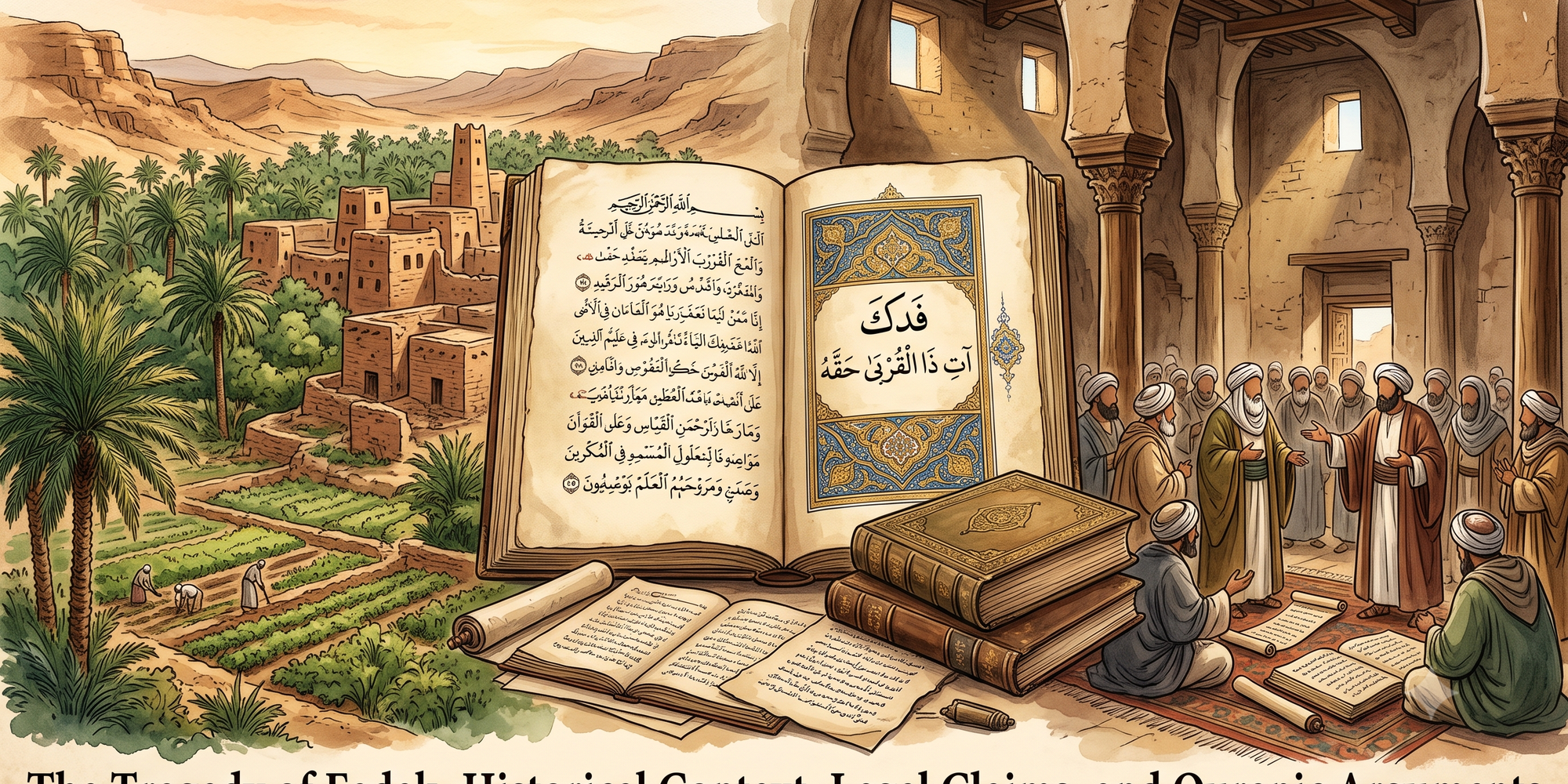
The article quotes the passage beginning “Balā, kānat fī aydīnā Fadak” (“Yes, Fadak was in our possession”), associated with Letter 45 in commonly used editions of Nahj al-Balagha. Numbering and commentary may vary between editions.
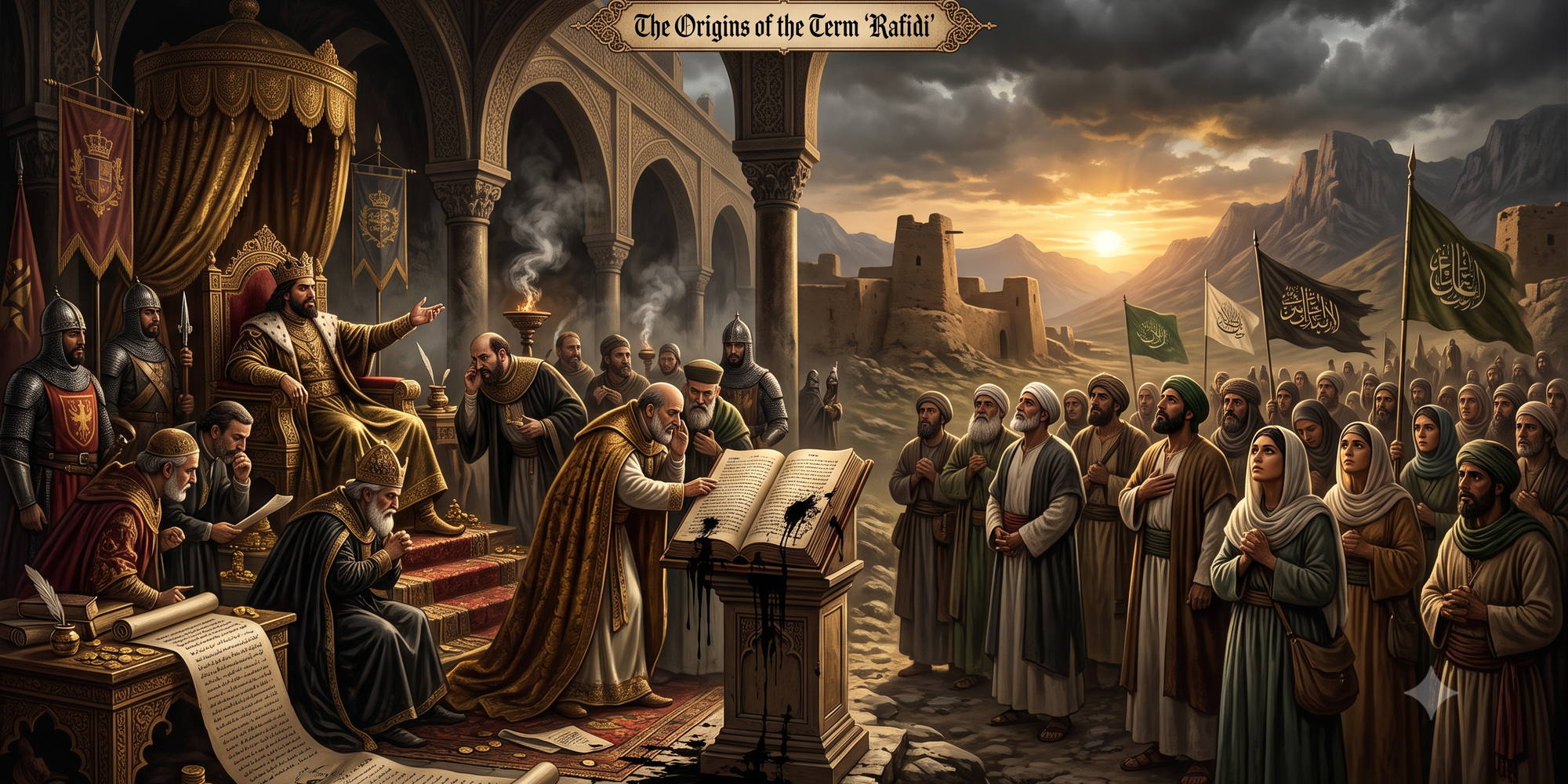
’’رافضی‘‘ کوئی قرآنی یا نبوی اصطلاح نہیں بلکہ بنو امیہ کے دور میں درباری مفتیوں اور مفاد پرست ملاؤں کا گھڑا ہوا ایک تحقیر آمیز لیبل ہے، جسے اہلِ بیتؑ کے چاہنے والوں کو بدنام کرنے کے لیے بطور ہتھیار استعمال کیا گیا۔ ماضی کے ان درباری عناصر کے فکری وارث آج بھی سامراجی مفادات کی خدمت اور امت کے اتحاد کو پارہ پارہ کرنے میں مصروف ہیں۔ کسی پر توہین آمیز القاب چسپاں کرنے یا گالی دینے سے نہ تو کسی کے عقائد باطل ثابت ہوتے ہیں اور نہ ہی دلوں سے اہلِ بیتؑ کی محبت مٹائی جا سکتی ہے۔ شیعانِ علیؑ کی اصل شناخت ان کا کردار، پختہ عقیدہ اور اہلِ بیتِ رسولﷺ سے لازوال محبت ہے۔ حق کو سمجھنے کے لیے بغض، تعصب اور طعن و تشنیع کے بجائے دلیل، انصاف اور غیر جانبدارانہ تحقیق کی ضرورت ہے۔
The term "Rafidi" has no Quranic or prophetic basis; it was historically manufactured by court-aligned clerics to malign the followers of the Ahl al-Bayt (AS) and legitimize state tyranny during the Umayyad era. This legacy of sectarian slander persists today among opportunists who align religious decrees with imperialist interests rather than divine truth. However, weaponizing derogatory labels cannot invalidate faith, refute reasoned argument, or diminish devotion to the Prophet’s Household. Ultimately, sincere religious discourse demands evidence, justice, and critical inquiry over slurs and fabricated prejudice.
مولاےکاینات نے نہج البلاغہ میں فرمایا ہےکہ اس زمین وآسمان کے نیچے اور اوپر جتنے ہیں وہ سب جانتے ہیں اور انھوں دیکھا ہے کہ فدک ہمارے ہاتھ میں تھا مگر ان لوگوں نے بخل کیااورفدک ہم سے چھین لیا۔
The dispute over Fadak centers on the confiscation of the valuable estate and its adjoining orchards from Lady Fatima al-Zahra by the caliphal authorities following the Prophet’s passing. Although she had held direct possession of the land as a divine gift and utilized its revenues for charitable relief, her claim was challenged and the testimonies of Imam Ali and Umm Ayman were dismissed. In response to the assertion that prophets leave no inheritance, Lady Fatima delivered her historic sermon, drawing upon explicit Quranic verses detailing prophetic succession to defend her rightful claim and dismantle the legal justification used to dispossess her.
املاکِ فدک کی منتقلی، تحصیل، غصب، مقدمہ دلائل جرح، گواہ، ثبوت اور معتبر کتب تاریخی حوالاجات پر مشتم ایک بصیرت سے بھر پور مضمون جو سوچنے پر مجبور کر دیتا ہے کے ہوا کیا تھا؟
यह लेख क़ुरआनी आयतों और पैग़म्बरी हदीसों की रोशनी में हज़रत फ़ातिमा ज़हरा (स.) की इस्मत, सच्चाई और बुलंद मक़ाम को बयान करता है। इसमें फ़दक की ऐतिहासिक पृष्ठभूमि, पैग़म्बर-ए-इस्लाम (स.) द्वारा हज़रत फ़ातिमा (स.) को इसके दिए जाने और इसकी मिल्कियत के हक़ से जुड़ी रिवायतों का ज़िक्र है। लेख रसूले ख़ुदा (स.) के इंतिक़ाल के बाद फ़दक के मामले में पेश आने वाले घटनाक्रम को हज़रत फ़ातिमा (स.) की ज़िंदगी के दर्दनाक अध्यायों में से एक के रूप में प्रस्तुत करता है
This article explores the infallibility, truthfulness, and exalted status of Lady Fatima al-Zahra (SA) in the light of Quranic verses and Prophetic traditions. It examines the historical background of Fadak, its reported transfer to Lady Fatima by the Prophet Muhammad (PBUH), and the accounts concerning her right to its ownership. The article highlights the events surrounding Fadak after the Prophet’s passing as one of the most painful chapters in Lady Fatima’s life
یہ مضمون حضرت فاطمہ زہرا سلام اللہ علیہا کی عصمت، صداقت اور عظمت کو قرآنی آیات اور احادیث کی روشنی میں بیان کرتا ہے۔ اس میں فدک کی تاریخی حیثیت، رسولِ خدا ﷺ کی جانب سے حضرت فاطمہؑ کو اس کی واگذاری، اور آپؑ کے حقِ ملکیت سے متعلق واقعات و روایات پیش کی گئی ہیں۔ مضمون اس امر پر زور دیتا ہے کہ رسولِ خدا ﷺ کے وصال کے بعد فدک کے معاملے میں حضرت فاطمہؑ کے ساتھ پیش آنے والے واقعات آپؑ کی زندگی کے دردناک ابواب میں سے ہیں۔
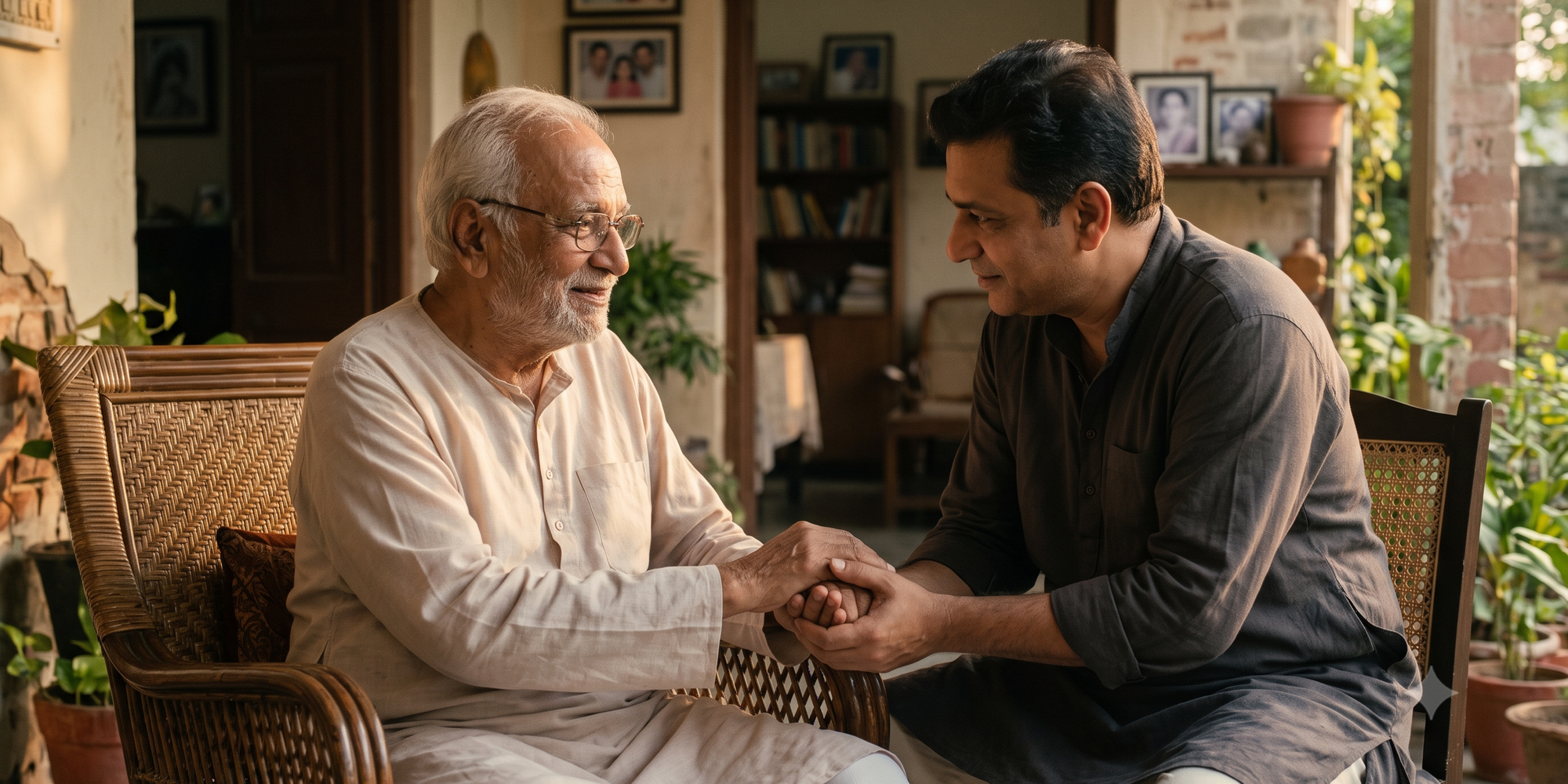
والدین اپنی جوانی اور خواہشات اولاد کی پرورش پر قربان کر دیتے ہیں، مگر بڑھاپے میں ان کی حقیقی طاقت اولاد کا نرم اور محبت بھرا لہجہ ہوتا ہے۔
یہ احترام اور نرمی بچپن کی اس تربیت کا نتیجہ ہوتی ہے جس میں والدین کی خدمت اور بڑھاپے کو بوجھ کے بجائے فرض سمجھنا سکھایا جائے۔
اولاد کی اصل کامیابی دنیاوی دولت یا عہدے میں نہیں بلکہ ایک بااخلاق اور دردِ دل رکھنے والا انسان بننے میں ہے جو والدین کو وقت اور عزت دے۔
چونکہ بچے زبانی نصیحت کے بجائے عملی کردار سے سیکھتے ہیں، اس لیے والدین کو اپنے عمل سے ان کی تربیت کرنی چاہیے تاکہ بڑھاپے میں وہ اپنے ہی گھر میں اجنبیت اور تنہائی سے محفوظ رہ سکیں
Parents sacrifice their youth, rest, and personal desires to raise their children, but in old age, their true strength comes from their children's gentle tone rather than mere physical support.
This softness and respect do not appear overnight; they stem from early moral upbringing that teaches children to honor aging parents rather than view them as a burden.
True success is not measured by high worldly status or wealth, but by raising empathetic human beings who make time for their parents and treat their frailties with compassion.
Since children learn character from action rather than spoken advice, parents must lead by example today to avoid the heartbreak of becoming neglected strangers in their own homes tomorrow.
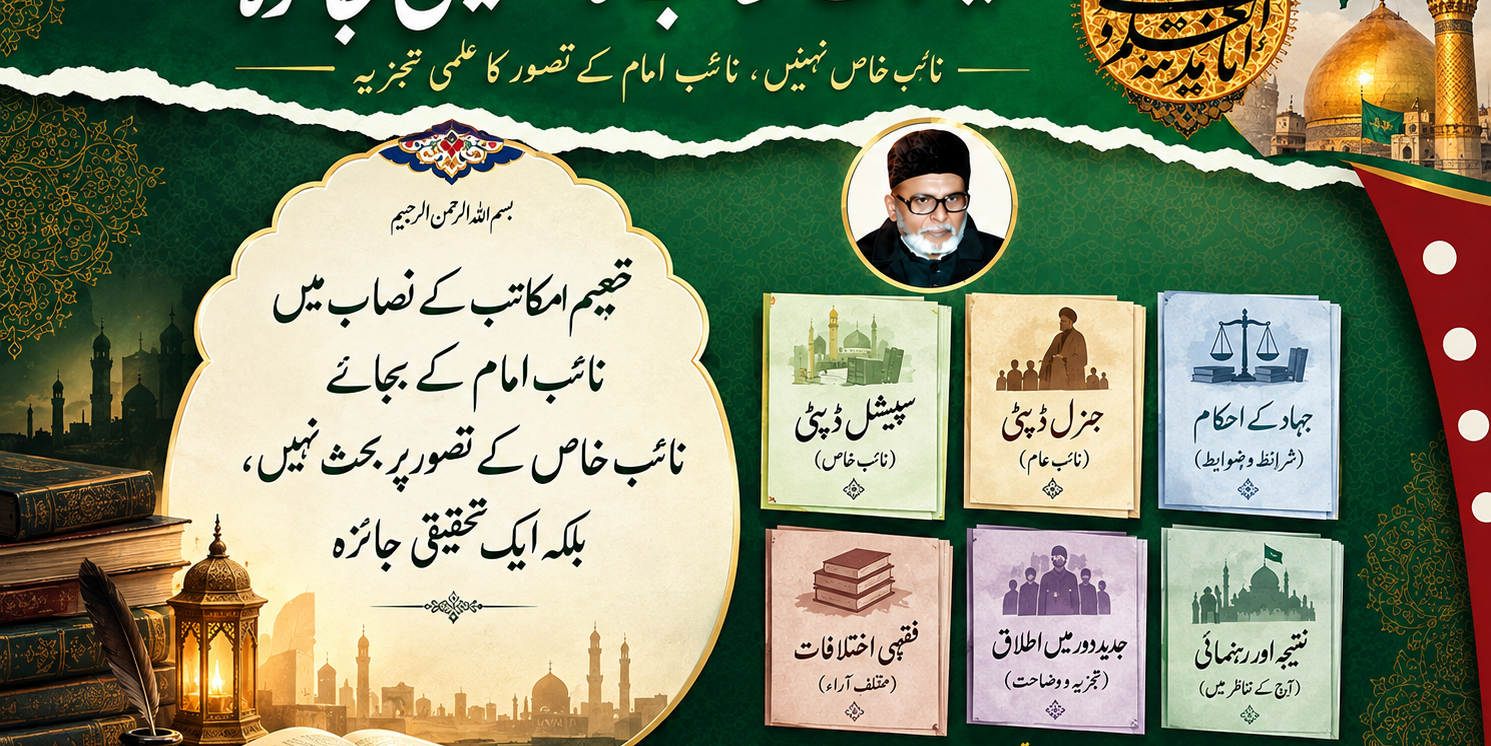
نیابت کی تفریق: تحریر میں غیبتِ صغریٰ کی معین و شخصی ’’نیابتِ خاص‘‘ اور غیبتِ کبریٰ میں جامع الشرائط فقہاء کی مسلسل ’’نیابتِ عامہ‘‘ کے درمیان واضح فرق بیان کیا گیا ہے۔
جہاد پر فقہی آراء: متقدمین کے مشہور موقف کے برعکس (جو عدمِ معصوم میں جہادِ ابتدائی کو ساقط مانتے تھے)، آیت اللہ خوئی اور آیت اللہ خامنہ ای جیسے معاصر فقہاء شرائط کی موجودگی میں اس کے وجوب یا نفاذ کو باقی مانتے ہیں۔
قیادت اور نفاذ کی بنیاد: آیت اللہ خوئی نے انتشار (ہرج و مرج) کی روک تھام اور ’’بابِ حسبہ‘‘ کے تحت جہاد کا اختیار فقیہ کے سپرد کیا ہے، جبکہ آیت اللہ خامنہ ای اسے ’’ولایتِ امر‘‘ اور مصلحتِ عامہ کے دائرے میں رکھتے ہیں۔
نصاب کا پس منظر: تنظیم المکاتب کے نصاب میں ’’نائبِ امام‘‘ کی اجازت کی شرط دراصل ایک تنظیمی و سماجی حفاظتی اصول ہے، تاکہ کوئی بھی غیر ذمہ دار فرد یا جتھہ اپنی مرضی سے جہاد اور مسلح تصادم کا اعلان نہ کر سکے۔
Distinction of Deputyship: The text differentiates between the specific, historical Special Deputyship (Niyabat al-Khas) and the ongoing General Deputyship (Niyabat al-Amm) held by qualified jurists during the Major Occultation.
Jurisprudential Views on Jihad: While classical consensus largely viewed initiative jihad as suspended without an Infallible Imam, several contemporary authorities (such as Ayatollah al-Khoei and Ayatollah Khamenei) maintain that its obligation or execution can persist under specific conditions.
Authority and Execution: Grand Ayatollah al-Khoei grounds the jurist’s mandate to oversee such matters in Bab al-Hasbah and the prevention of social chaos, whereas Ayatollah Khamenei views it as an explicit prerogative of the Wali al-Amr.
Contextual Application to Tanzeem-ul-Makatib: The curriculum's requirement of authorization from the "Deputy of the Imam" reflects this jurisprudential need for institutional oversight, emphasizing that military action cannot be declared arbitrarily by unauthorized individuals or rogue groups.
ایران کے خلاف جنگ نے امریکی عسکری طاقت کے محدود اثرات کو بے نقاب کر دیا ہے، جس کے نتیجے میں واشنگٹن کو 43 ارب ڈالر سے زائد کا مالی بوجھ اٹھانا پڑا اور اس کے اہم میزائل ذخائر شدید دباؤ کا شکار ہو گئے۔ ایران نے آبنائے ہرمز اور اپنی میزائل صلاحیت کے ذریعے عالمی توانائی کے نظام کو متاثر کر کے جنگ کے معاشی نقصانات کا رخ براہِ راست امریکی عوام کی طرف موڑ دیا۔ ڈونلڈ ٹرمپ کی جانب سے عوام کو مہنگائی برداشت کرنے کی تلقین واشنگٹن کی تزویراتی پریشانی اور کسی حتمی نتیجے کے فقدان کو ظاہر کرتی ہے۔ امریکی برتری کے باوجود ایران کی غیر متزلزل مزاحمت نے اس تنازعے کو ایک مہنگے تعطل میں تبدیل کر دیا، جہاں امریکہ نہ فتح کا اعلان کر پا رہا ہے اور نہ ہی باعزت واپسی کا راستہ تلاش کر سکا ہے۔
The escalating conflict with Iran has exposed critical limits in American military dominance, costing Washington over $43 billion, draining vital missile stockpiles, and triggering domestic inflation at fuel pumps and grocery stores. Despite suffering heavy attrition, Iran's asymmetric tactics and leverage over the Strait of Hormuz disrupted global energy markets, ensuring the war's financial and economic fallout did not remain one-sided. Donald Trump’s rhetoric urging citizens to bear these rising expenses as a "small price" reflects growing strategic anxiety as Washington struggles to convert sheer firepower into political victory. Caught in an expensive war of attrition with depleted reserves and no clear path to triumph or graceful exit, the U.S. faces a costly stalemate that represents a major political success for Iranian defiance.
ناصبیت دراصل نفرت اور انتہا پسندی پر مبنی وہ زہریلی فکر ہے جو مذہب کے مقدس لبادے میں بربریت، دہشت گردی اور بے گناہوں کے قتلِ عام کو جواز فراہم کرتی ہے۔ اس کی اصل جڑ رسولِ اکرمؐ اور اہلِ بیتؑ سے بغض و عداوت ہے، جو انسان سے رحم، اخلاق اور ضمیر کا احساس چھین لیتی ہے۔ اس فتنے کو فکری غذا ان متعصب مفتیوں اور واعظوں سے ملتی ہے جو منبر و محراب کو نفرت اور خونریزی کے پرچار کا ذریعہ بنا دیتے ہیں۔ یہ سوچ اپنے چولے، عنوان اور منبر بدل سکتی ہے، مگر آلِ رسولؑ سے بغض اور ظلم کے دفاع کی اپنی اصل شناخت کبھی نہیں بدلتی۔
Nasibism is an ideological factory of hatred that legitimizes terror, extremism, and the persecution of innocents under a guise of religious sanctity. Driven by a deep-seated malice toward the Prophet and his Progeny (Ahl al-Bayt), it strips the human heart of conscience and transforms violence into an act of twisted devotion. This fanaticism is continually nurtured by radical clerics whose pulpit sermons and biased edicts sanctify bloodshed and justify historical atrocities. While its proponents may change their garb, names, or rhetoric over time, the true essence of Nasibism remains unchanged: unrelenting animosity toward the Ahl al-Bayt and an unyielding defense of tyranny.
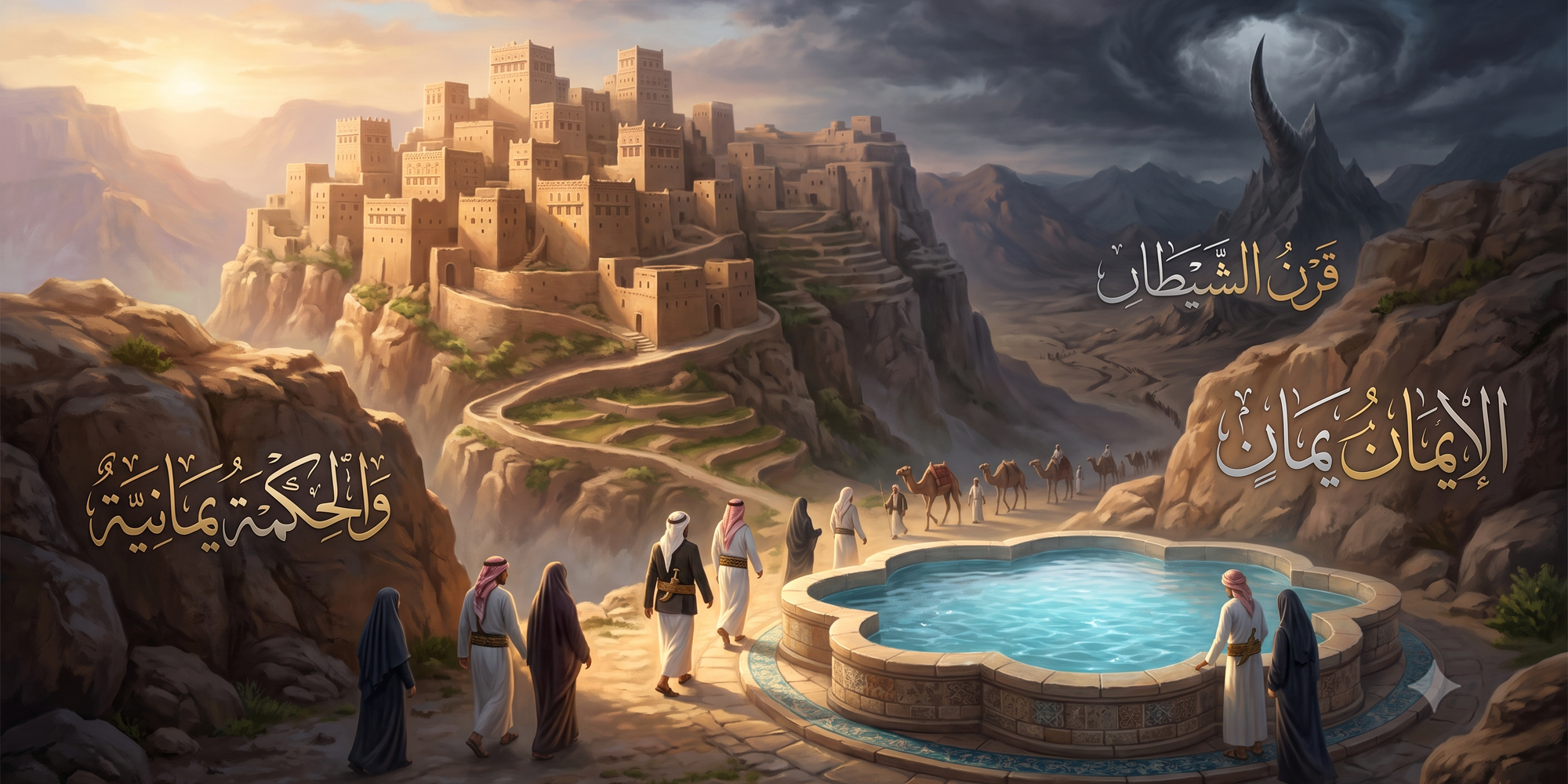
یہ اقتباس صحیح بخاری اور صحیح مسلم کی احادیث کی روشنی میں یمن اور نجد کے درمیان تقابل پیش کرتا ہے۔ رسول اللہ صلی اللہ علیہ و آلہ وسلم نے اہلِ یمن کی نرم دلی، ایمان اور حکمت کی تعریف فرمائی، ان کی سرزمین کے لیے برکت کی دعا کی اور حوضِ کوثر پر انہیں ترجیح دینے کی بشارت دی۔ اس کے برعکس، جب نجد کے لیے دعا کی درخواست کی گئی تو آپ صلی اللہ علیہ و آلہ وسلم نے وہاں فتنوں، زلزلوں اور شیطان کے سینگ کے طلوع ہونے کی پیشگوئی فرمائی۔ مجموعی طور پر یہ متن نبوی ارشادات کی روشنی میں یمن کی تاریخی اور روحانی فضیلت کو واضح کرتا ہے۔
This passage contrasts prophetic traditions concerning Yemen and Najd based on narrations from Sahih al-Bukhari and Sahih Muslim. The Prophet Muhammad (peace and blessings be upon him and his family) commended the people of Yemen for their soft-heartedness, declaring faith and wisdom to be Yemeni, while praying for their land and promising them precedence at his Basin. In stark contrast, when requested to bless Najd, he refrained, forewarning that earthquakes, tribulations, and the horn of Satan would arise from there. Overall, the text highlights the historical and spiritual virtue bestowed upon Yemen over Najd through prophetic testimony.
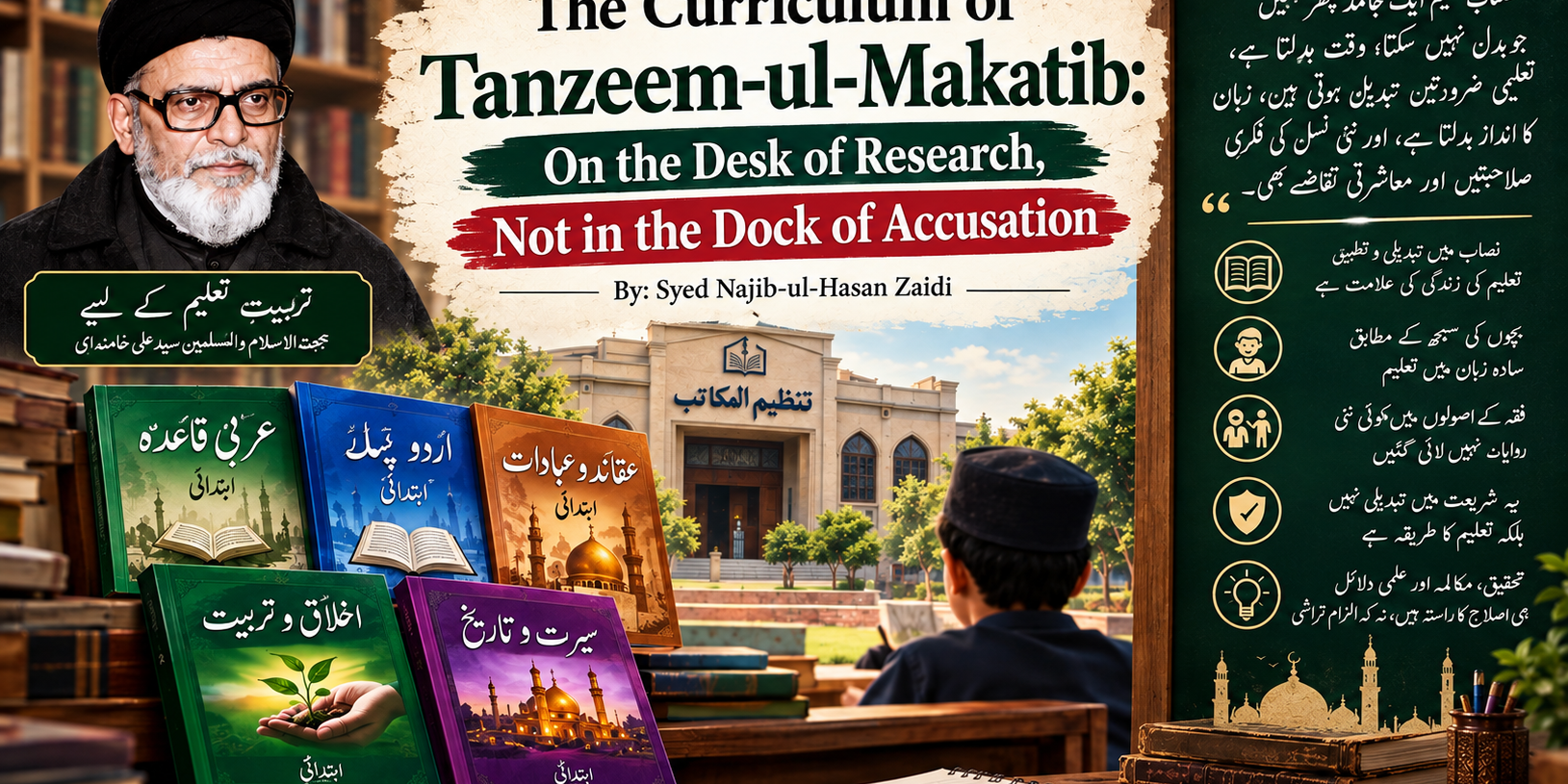
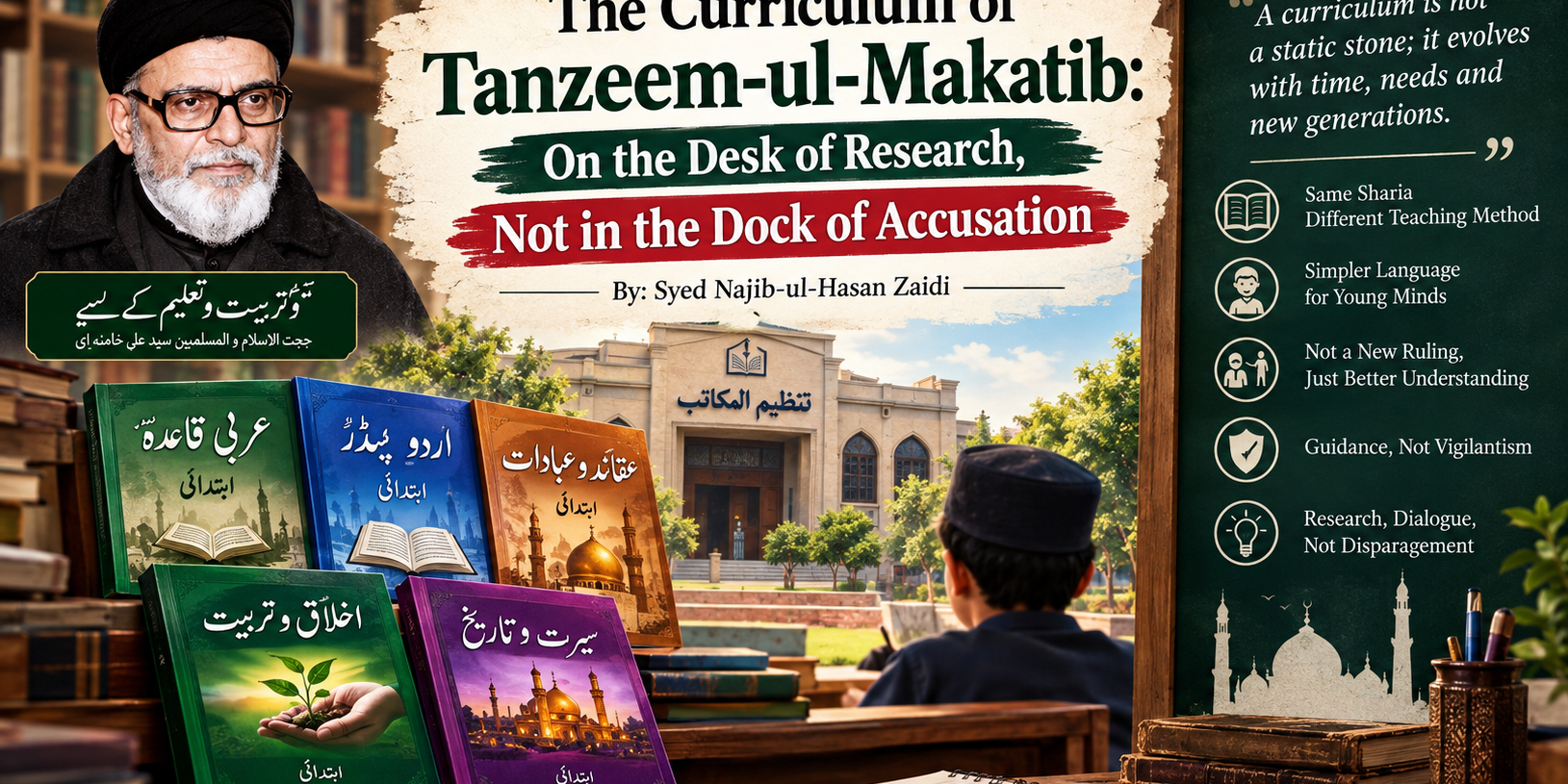
سید نجیب الحسن زیدی تنظیم المکاتب کے نصاب کا دفاع کرتے ہوئے واضح کرتے ہیں کہ شریعت کے بنیادی احکام اٹل ہیں جبکہ تدریسی اسلوب حالات کے ساتھ بدلتا رہتا ہے۔ مضمون میں بیان کیا گیا ہے کہ بچوں کے فہم کے مطابق فقہی اصطلاحات کو آسان بنانا—خصوصاً جہاد کو بااختیار دینی قیادت کے اذن سے مشروط کرنا—روایتی شیعہ فقہ کے عین مطابق ہے، نہ کہ شریعت میں کوئی تحریف۔ یہ شرعی قید ہندوستان جیسے جمہوری اور تکثیر الوجود معاشرے میں من مانی عسکریت پسندی اور دہشت گردی کے خلاف ایک مضبوط حفاظتی ڈھال کا کام کرتی ہے۔ مصنف ناقدین کو لفظی بحث کے بجائے سنجیدہ علمی تحقیق کی دعوت دیتے ہوئے زور دیتے ہیں کہ ایک باحیات تعلیمی نظام کے لیے اصولوں پر قائم رہتے ہوئے نصاب میں تدریسی لچک برقرار رکھنا ناگزیر ہے۔
This article defends Tanzeem-ul-Makatib's educational curriculum, arguing that simplifying complex jurisprudence (Fiqh) for children is a necessary pedagogical tool rather than an alteration of divine law (Sharia). It emphasizes that stating Jihad requires the authorization of a legitimate religious authority aligns with classical Shi'a jurisprudence and serves as a vital safeguard against vigilantism and extremist violence, especially in pluralistic societies like India. Furthermore, introductory textbooks must be understood within their educational and historical contexts rather than judged as advanced legal treatises.
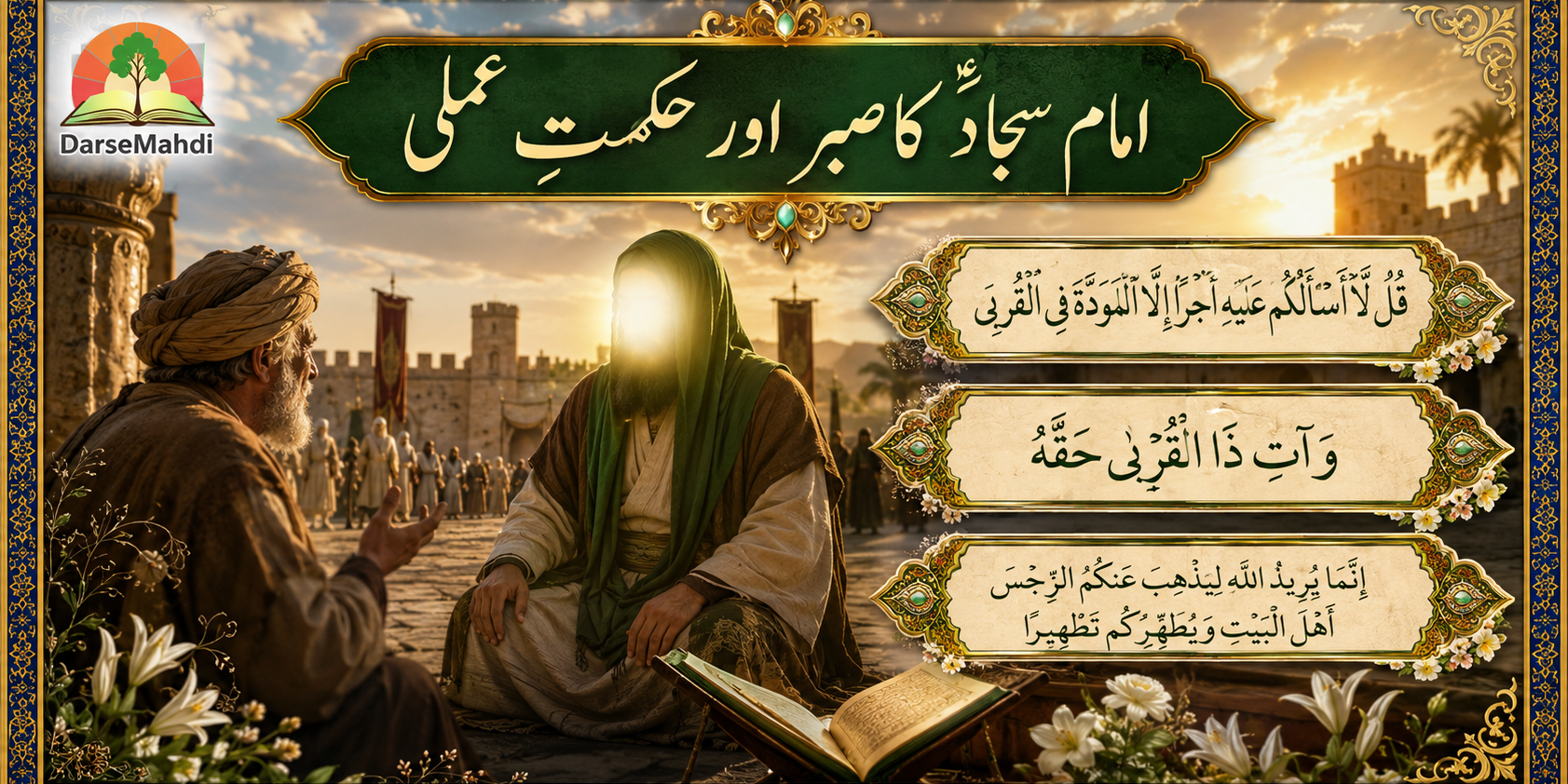
Following the tragedy of Karbala, Imam Zayn al-Abidinؑ faced the insults of an elderly Syrian man with remarkable patience and composure despite being in captivity and enduring immense suffering. Through the Qur’anic verses concerning love for the Prophet’s family, the rights of his relatives, and the purification of the Ahl al-Baytؑ, the Imam calmly and wisely helped the man recognize the true identity of the Prophet’s family.
کربلا کے بعد شدید مصائب اور قید کی حالت میں امام زین العابدینؑ نے ایک شامی بوڑھے کی گستاخیوں کا صبر و تحمل سے سامنا کیا۔ امامؑ نے قرآن کی آیاتِ مودّت، حقِ قرابت اور تطہیر کے ذریعے نہایت حکمت اور اخلاق سے اسے اہلِ بیتؑ کی حقیقی شناخت سے آگاہ کیا۔ قرآن کی آیات پر غور کرنے کے بعد اس شخص کا تعصب دور ہوگیا اور وہ اپنے رویے پر نادم ہو کر توبہ کرنے لگا۔ یہ واقعہ سکھاتا ہے کہ صبر، اخلاق، حکمت اور علم کے ذریعے انتہائی نامساعد حالات میں بھی دلوں کو بدلا اور بڑے مسائل پر قابو پایا جا سکتا ہے۔
ایران کو ’’مجوسی‘‘ کہنا تاریخی حقائق اور علمی دیانت کے صریح منافی ہے، کیونکہ یہ خطہ عہدِ رسالت سے لے کر قرونِ وسطیٰ تک اسلامی علوم کا عظیم مرکز رہا ہے۔ حضرت سلمان فارسیؓ کی قربتِ نبوی سے لے کر صحاحِ ستہ کے ائمۂ حدیث، فقہاء اور مفسرین (جیسے غزالی، رازی اور طبری) تک، اسلامی ورثے کی تشکیل میں اس سرزمین کا کردار بنیادی رہا ہے۔ قرآن کی رو سے فضیلت کا معیار تقویٰ ہے نہ کہ نسل یا آباؤ اجداد کا قدیم مذہب؛ لہٰذا سیاسی یا نظریاتی اختلاف کو دلیل کے ساتھ بیان کیا جانا چاہیے، نہ کہ ایک پوری قوم کو صدیوں پرانے متروک مذہب کا طعنہ دے کر جھٹلایا جائے۔
Labeling modern Iran as "Majuus" disregards centuries of Islamic scholarship and ignores the foundational contributions of the Persian and Khurasanian regions. From the early devotion of Salman al-Farsi to the compilation of the major Hadith corpuses and landmark works in theology and exegesis, this civilization shaped core Islamic heritage. Ascribing a centuries-old pre-Islamic faith to an entire modern population contradicts Quranic principles, which measure honor by piety rather than ancestry. Valid disagreements—whether theological or political—warrant reasoned critique rather than historically inaccurate, derogatory generalizations.
اہلِ بیت علیہم السلام کی تعلیمات تقصیر (معرفت میں کمی) اور غلو (مخلوق کو خدائی صفات دینا) دونوں انتہاؤں کی نفی کرتی ہیں۔ ائمہؑ نے مقصر کی تلافی و اصلاح کا دروازہ کھلا رکھا کیونکہ وہ صحیح معرفت ملتے ہی اطاعت و بندگی کی طرف لوٹ آتا ہے، مگر غلو کو سختی سے مسترد کیا کیونکہ غالی فرائض چھوڑ کر توحید کی حدیں پامال کر دیتا ہے۔ محبتِ اہلِ بیتؑ کا حقیقی معیار ذاتی دعوے نہیں بلکہ خالص توحید اور شرعی اطاعت کی پابندی ہے۔ اصل دین یہی اعتدال ہے کہ نہ ان کے مقام کو گھٹایا جائے اور نہ ربوبیتِ الٰہی کی حدود کو توڑا جائے۔
The teachings of the Ahl al-Bayt (as) warn against the two extremes of taqseer (deficiency in recognizing their status) and ghuluw (exaggerating their status into divine authority). While the Imams accepted the Muqassir because their lack of knowledge can be reformed through truth and obedience, they decisively rejected the Ghali for abandoning foundational obligations and diminishing Allah's majesty. True devotion to the Ahl al-Bayt (as) is not measured by extreme claims, but by maintaining the absolute supremacy of Tawhid and upholding servitude to Allah.
اسلامی فکر میں رہبری اقتدار یا خاندانی نسبت کا نام نہیں بلکہ تقویٰ، فکری بصیرت، مشاورت اور جواب دہی پر مبنی ایک مقدس دینی امانت ہے۔ قرآنی و احادیثی معیار کی روشنی میں تحریر آیت اللہ سید مجتبیٰ خامنہ ای کی قیادت کا جائزہ لیتی ہے، جنہیں شدید معاشی اور جیو پولیٹیکل دباؤ کے دور میں زمامِ قیادت سنبھالنی پڑی ہے۔ ایک حقیقی رہبر کی بنیادی قوت یہ ہے کہ وہ بحران کے وقت قوم میں اتحاد، اعتماد اور حوصلہ پیدا کرے۔ بالآخر، دینی قیادت کو ہمیشہ شخصیت کے بجائے اصول، اور شہرت کے بجائے عملی کردار اور اہلیت کی کسوٹی پر پرکھا جانا چاہیے۔
In Islamic thought, leadership is a sacred trust grounded in piety, scholarly competence, mutual consultation, and accountability rather than power or lineage. Applying these criteria established by the Quran and Ahl al-Bayt, the text examines Ayatollah Sayyid Mojtaba Khamenei's leadership amid severe geopolitical and economic challenges. It emphasizes that a leader's true strength lies in instilling national unity and public trust during crises. Ultimately, leadership must be judged by principles over personality and character over renown.
شہادت موت کا نام نہیں بلکہ ابدی بیداری ہے، جہاں قربانی نظریے کی گواہی بن جاتی ہے۔ سید حسن نصراللہ کی شہادت نے دلوں کو مغموم ضرور کیا، لیکن قرآنی فرمان کے مطابق وہ اپنے رب کے حضور زندہ و جاوید ہیں۔ ان کی توانا آواز خاموش ہونے کے باوجود ان کا عزم اور پیغام ہر دل میں زندہ ہے۔ درحقیقت، ان کی قربانی پسماندگان کے لیے یہ دعوتِ فکر ہے کہ ان کے مشن کو محض آنسوؤں تک محدود رکھنے کے بجائے اپنے کردار اور عمل سے زندہ رکھا جائے۔
Martyrdom is depicted not as an end, but as an eternal awakening where sacrifice bears witness to enduring conviction. Reflecting on the loss of Sayyid Hassan Nasrallah, the text conveys profound grief alongside the Quranic assurance that martyrs remain alive with their Lord. Though his physical presence and voice are gone, his message and resolve persist in the hearts of the people. Ultimately, his sacrifice poses an enduring challenge to the living: to honor his memory not merely through grief, but through steadfast faith, character, and action.
بہن زندگی کا ایک ایسا انمول سہارا اور جذباتی قلعہ ہے جو انسان کے بچپن کی تمام یادوں اور رازوں کی امین ہوتی ہے۔ سائنسی و نفسیاتی تحقیقات کے مطابق بہن کا پرخلوص تعلق ذہنی دباؤ کو کم کر کے قدرتی دوا کی مانند صدمات سے نکلنے میں مدد فراہم کرتا ہے۔ دنیا کے تمام رشتے وقت اور مصروفیات کے ساتھ ماند پڑ سکتے ہیں، لیکن بہن کی محبت عمر، فاصلوں اور تبدیلیوں کے باوجود سدا بہار رہتی ہے۔ اس کے سامنے انسان بنا کسی جھجھک کے اپنا حقیقی روپ جی سکتا ہے، جو دل کے سکون کے لیے ایک بے لوث پناہ گاہ ہے۔ ایک شفیق بہن کا وجود درحقیقت زندگی کی ان نایاب نعمتوں میں سے ہے جس کا کوئی متبادل نہیں۔
A sister is not merely a family member, but an irreplaceable emotional anchor and a living archive of shared childhood memories. Scientific studies—including long-term research from Harvard—demonstrate that this close, affectionate bond naturally reduces stress, alleviates anxiety, and accelerates healing after life’s hardships. Unlike other relationships that often fade with time, the love of a sister transcends age and distance, offering an unconditional safe haven where one can be entirely authentic. Having a compassionate sister is an invaluable blessing, providing lifelong comfort that often proves more restorative than any medicine.
یہ تحریر امتِ مسلمہ کی تاریخ میں اقتدار پرستی اور ثقلین (قرآن و اہلِ بیتؑ) کے درمیان بنیادی فرق کو واضح کرتی ہے۔ جہاں ملوکیت اور حکمرانوں نے مذہب کو ظلم، جبر اور خونی فتوحات کے جواز کے لیے استعمال کیا، وہیں اہلِ بیتؑ اور ان کے پیروکاروں نے کربلا کی مانند اصول، عدل اور قربانی کی لازوال تاریخ رقم کی۔ معاصر دور میں ۱۹۷۹ء کے بعد کا ایران اسی نظریاتی مزاحمت اور خود مختاری کا ایک عملی نمونہ پیش کرتا دکھائی دیتا ہے۔ تحریر کا بنیادی حاصل یہ ہے کہ تاریخ فتوحات اور اقتدار سے نہیں، بلکہ ظلم کے دور میں حق کے ساتھ کھڑے ہونے کے کردار سے یاد رکھی جاتی ہے۔
Muslim history reveals a sharp divergence between the corrupting pursuit of political power and the moral path of the Thaqalayn (the Qur'an and the Prophet’s Ahl al-Bayt). While empires routinely weaponized religion to justify tyranny, bloodshed, and conquest, the Ahl al-Bayt and their adherents chose sacrifice, justice, and spiritual steadfastness over worldly compromise—exemplified by Karbala. In the modern era, post-1979 Iran is presented as an ongoing test of whether a nation can maintain this ideological resistance and sovereignty against foreign dominance. Ultimately, history measures greatness not by transient authority or conquered lands, but by where one stood when confronting injustice.
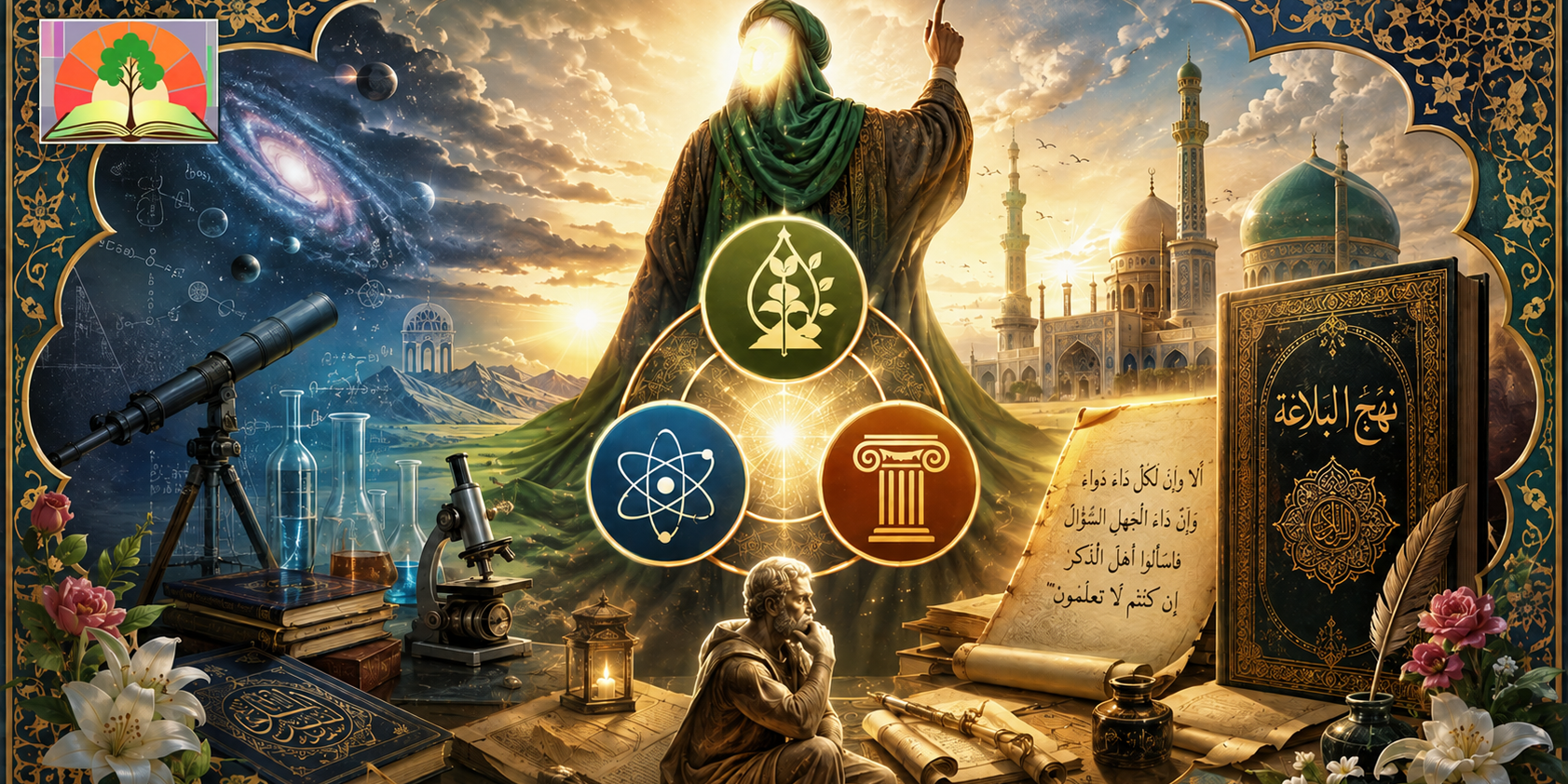
In the previous article, we were very bold. We thoughtlessly asked questions from history and mistakenly asked questions that seem to be against science. While this was not the idea at all. The idea was that the harmony of religion, philosophy and science is the root, branches and fruit of consciousness.