Did Islam Come for Conquest and Imperialism? (Part I: The Religion of the Prophet vs. Our Fabricated Empires)


To understand Islam, the primary question should not be how much territory Muslims conquered throughout history, but rather: for what purpose was the Messenger of Allah (peace and blessings be upon him and his progeny) sent? When we seek the answer from the Qur’an, we find no indication that he was sent to conquer worldly territories, topple the governments of other nations, or establish an expansive, global Muslim empire. Instead, the Qur’an designates him as Rahmatan lil-'Alamin (a mercy to all worlds), a bearer of glad tidings, a warner, and a caller unto Allah—that is, an embodiment of universal compassion, a harbinger of good news, an admonisher, and an inviter toward God (Al-Anbiya: 107; Al-Ahzab: 45–46).
First and foremost, the Messenger of Allah taught humanity self-discipline and mastery over the ego. The thirteen years in Mecca stand as the greatest testament to this principle. Throughout this era, the foundational call of Islam was never about territorial expansion, but about the transformation of the human being. It cultivated monotheism against idolatry, justice against oppression, knowledge against ignorance, humanity against arrogance, and an acute consciousness of accountability in the Hereafter against worldly materialism. The Qur’an repeatedly champions the rights of the orphan and the destitute, equity in weights and measures, truthfulness, integrity, and personal accountability. Nowhere does it suggest that the triumph of Islam is measured by the sheer expanse of territory Muslims control.
Had the primary objective of Islam been statecraft and empire-building, the initial priority during the vulnerable Meccan period would have been securing political dominion. Instead, the Qur’an commanded the Messenger of Allah to proclaim:
"Say, 'I am only a human being like you, to whom it has been revealed that your God is One God.'" (Al-Kahf: 110)
Evidently, the cornerstone of Islam was the reformation of human belief and moral consciousness, not the construction of an empire.
The Qur’an explicitly delineates the methodology of preaching:
"Invite to the way of your Lord with wisdom and good counsel." (An-Nahl: 125)
Regarding matters of faith, it establishes an unequivocal canon:
"There is no compulsion in religion." (Al-Baqarah: 256)
This principle demonstrates that Islam addresses human intellect and the heart; it does not coerce individuals into accepting its creed by force.
Upon arriving in Medina, the Messenger of Allah certainly established a sociopolitical order, yet the objective of this system was never mere power. Its bedrock was justice and human welfare. As the Qur’an states:
"Indeed, Allah commands justice and grace." (An-Nahl: 90)
Therefore, the greatness of an Islamic administration must not be measured by the number of cities or provinces under its sway, but by the tangible justice, peace, and rights afforded to human beings beneath its shade.
Even regarding warfare, the Qur’an never granted an open-ended, unchecked mandate; rather, it delineated clear parameters:
"Fight in the way of Allah those who fight you, but do not transgress limits." (Al-Baqarah: 190)
Here, while legitimate defense is permitted, aggression and injustice are strictly prohibited. Consequently, not every conflict in history can be sanctified as an "Islamic" or holy battle simply because Muslims fought in it.
Furthermore, the Qur’an affirms:
"And if they incline toward peace, then incline toward it also." (Al-Anfal: 61)
Islam’s true destination is peace, not warfare. Conflict may arise as a circumstantial necessity, but it can never be institutionalized as the objective of faith.
The Treaty of Hudaybiyyah serves as a prime illustration. The Messenger of Allah accepted an accord whose stipulations initially seemed disadvantageous to many Muslims, yet the Qur’an characterized this very event as Fathan Mubina—a manifest victory (Al-Fath: 1). If victory merely signified territorial acquisition and the military destruction of adversaries, the Qur’an would never have hailed a peace pact as a triumphant conquest. This demonstrates that opening channels of peaceful engagement, creating space for truth to be conveyed, and preventing bloodshed are themselves true victories.
The Conquest of Mecca is an even more profound example. The very city that expelled the Messenger of Allah, persecuted his companions, and waged continuous wars against Muslims ultimately stood before him, defenseless. Had Islam been a religion of brute force, retribution, and imperial conquest, Mecca would have drowned in blood that day. Instead, the Messenger of Allah transmuted military triumph into universal mercy and pardon. This fundamental ethical contrast separates Islamic triumph from conventional worldly conquests.
Two distinct concepts must be distinguished here: for a worldly monarch, victory means annexing land, seizing treasuries, and expanding personal dominion; for the Messenger of Allah, authentic victory meant the moral reformation of the human soul, the transformation of hearts, the elevation of ethics, and the establishment of societal justice.
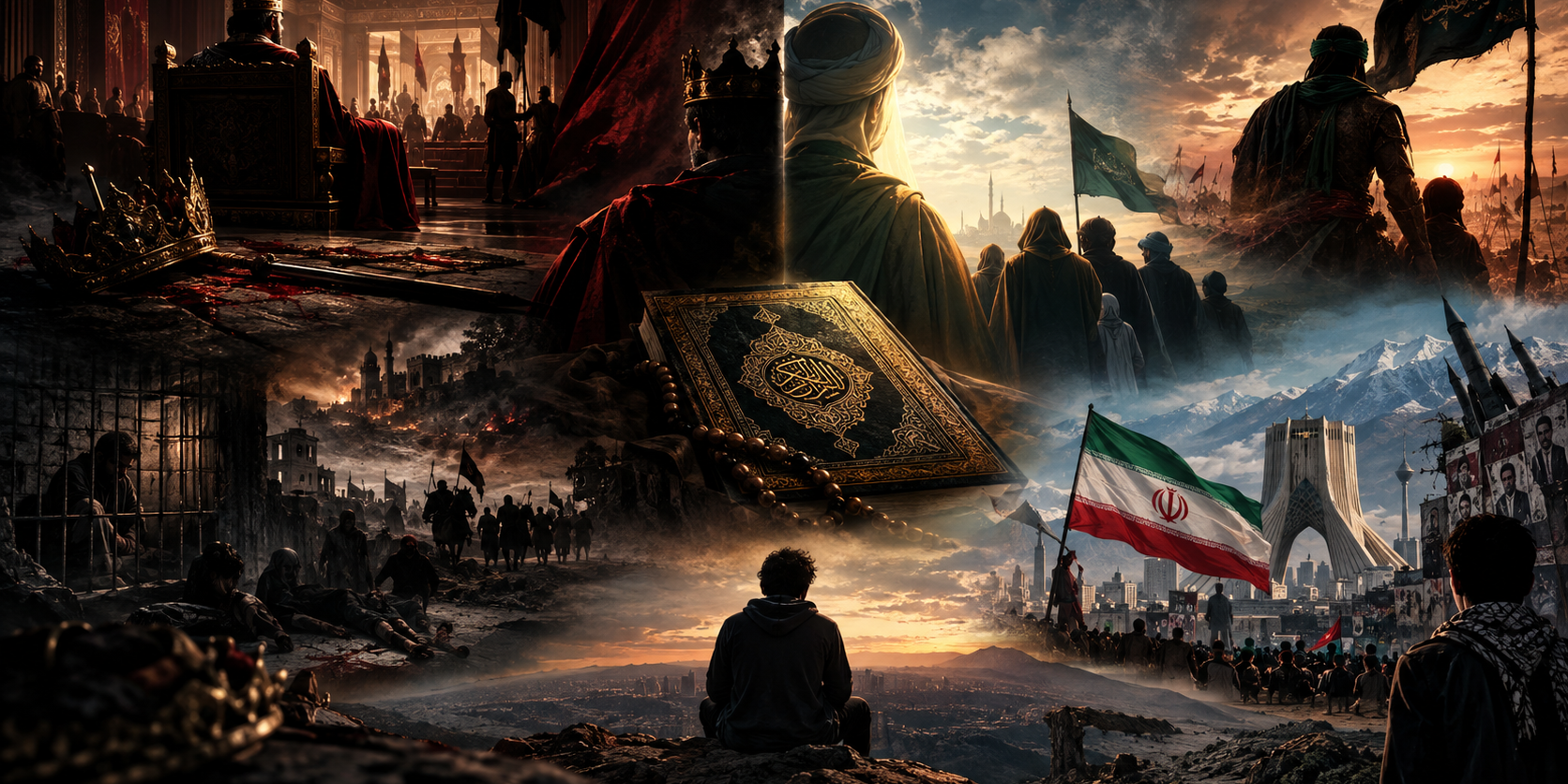
Following the departure of the Messenger of Allah from this world, history took an alternate turn. The Muslim state expanded, and Muslim political dominance reached Syria, Iraq, Egypt, Iran, North Africa, Central Asia, Sindh, and eventually Andalusia. These are undeniable historical facts. Yet, a fundamental question emerges: was every Muslim conquest truly a conquest of Islam?
This question must be answered through the lens of the Qur’an, not emotionalism.
The Qur’an nowhere commands Muslims to conquer foreign lands to enlarge an empire. Nowhere does it state that the subjugation of a sovereign nation is an act of worship in itself. Nor did the Qur’an evaluate Muslim merit through territorial acreage; rather, it declared:
"Indeed, the most noble of you in the sight of Allah is the most righteous of you." (Al-Hujurat: 13)
Therefore, the political and military campaigns that followed the Messenger of Allah must be scrutinized objectively as historical phenomena. Their causes can be debated and their consequences evaluated, but simply because the participants were Muslims does not automatically render these campaigns the foundational objective of Islam or celebratory religious achievements.
Not every deed of a Muslim reflects Islam; true Islam is that which the Qur’an commands.
If we blur this vital distinction, the despotism of a Muslim monarch becomes canonized as "Islamic," his lust for power is rationalized as religious duty, his every geopolitical conflict is branded as Jihad, and his imperial expansions are celebrated as the glory of faith. We would then be deriving our understanding of Islam not from the Qur’an, but from the dynastic annals of kings.
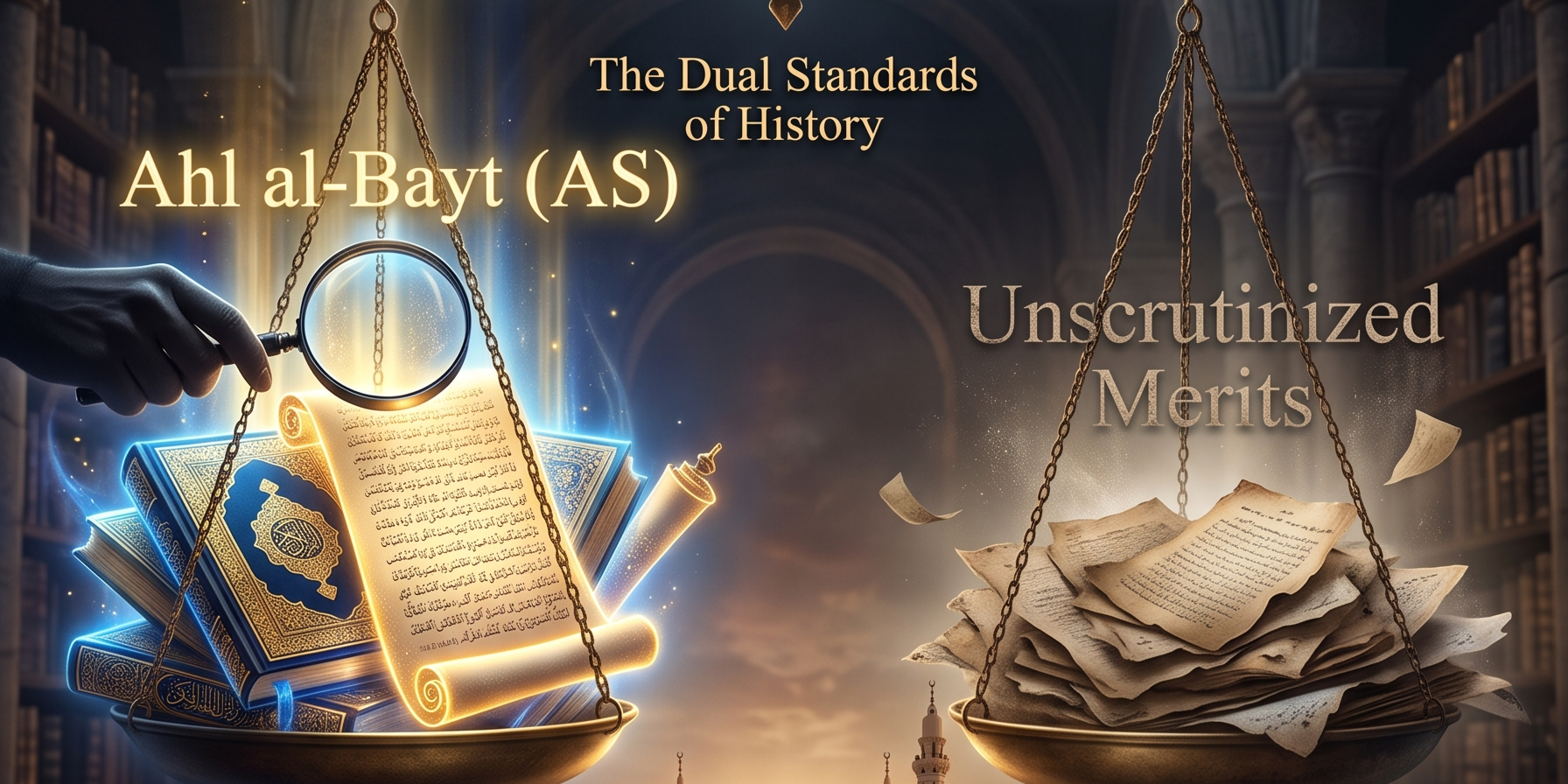
This is precisely where the life and path of the Prophet’s Household—the Ahl al-Bayt (peace be upon them)—becomes indispensable. Following the Messenger of Allah, the Ahl al-Bayt did not protect the faith through territorial annexations; they guarded it through the Qur’an, intellect, ethics, devotion, justice, steadfastness, sacrifice, and the defense of truth. They measured religious success not by imperial borders, but by the depth of human faith, conscience, and character.
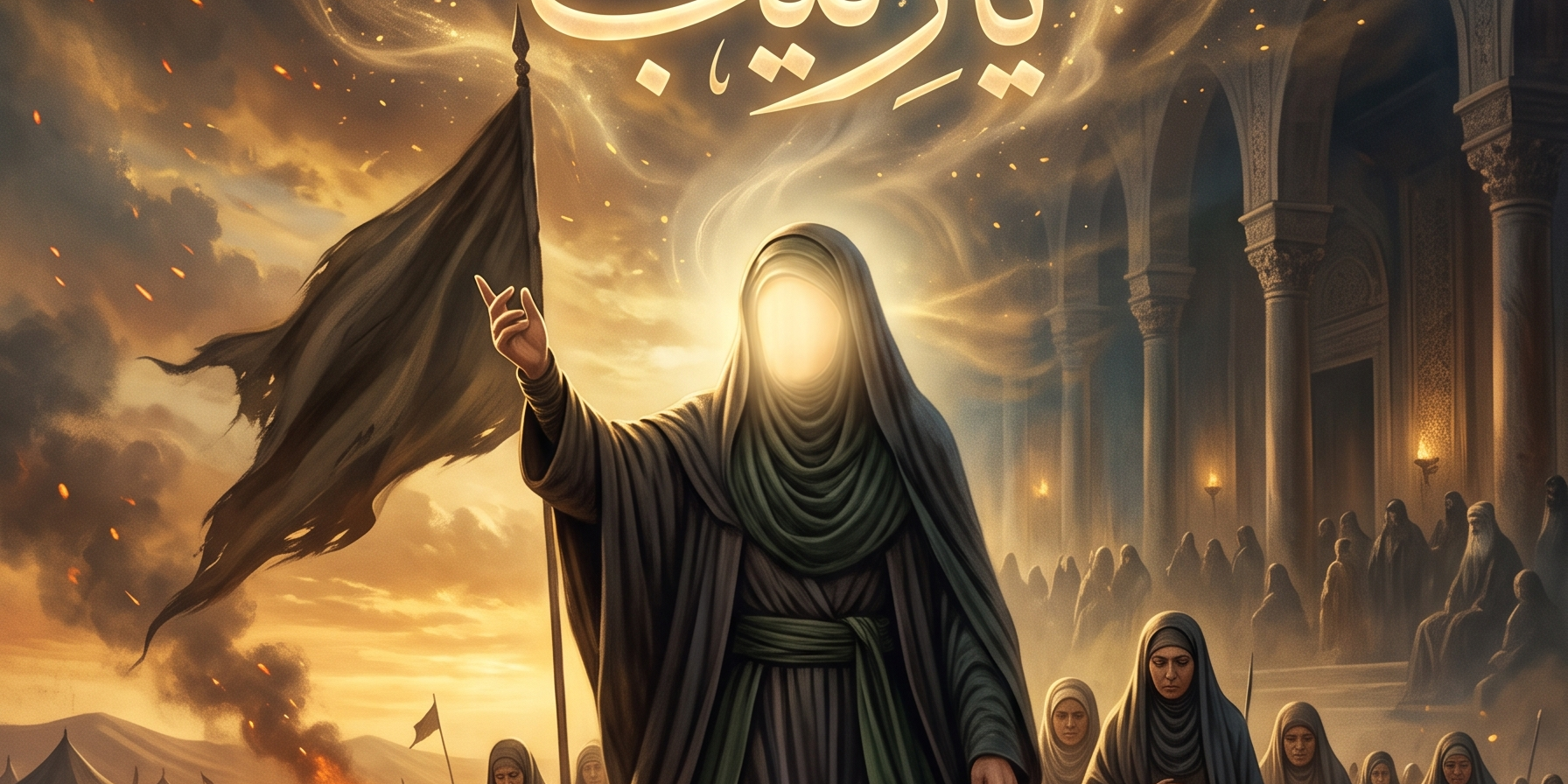
The legacies of Amir al-Mu'minin Imam Ali, Imam Hasan, Imam Husayn, and the subsequent Imams of the Ahl al-Bayt (peace be upon them) must be examined through this lens. They preserved the spirit of religion not through imperial force, but through moral character and ultimate sacrifice.